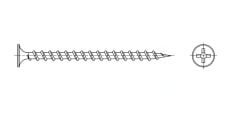
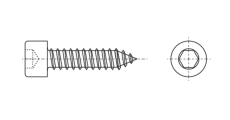
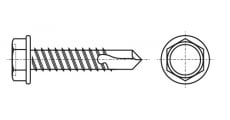
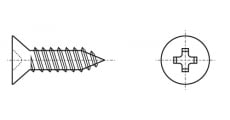
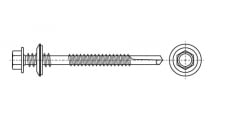
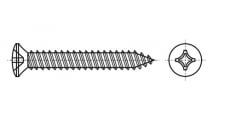
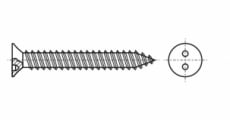
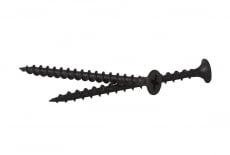


AN 207 phosphate Self-tapping screw for drywall for wood with a secret head
StandardAN 207MaterialCase-hardened..CoatingPhosphateDiameter, mm3.5, 3.9..Length, mm16, 19, 25, 32..Base materialWoodHeadHiddenPackaging, pcs.500, 200, 1700..Type of carvingFullSlotCruciform(PH)Turnkey size, mm2
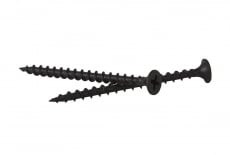


KSGD phosphate Self-tapping screw for plasterboard for wood with a countersunk head Wkret-Met
BrandWkret-MetStandardAN 207MaterialStalCoatingPhosphateDiameter, mm3.5, 4.2, 4.8Length, mm25, 35, 45, 55..Base materialWoodHeadReduced, HiddenPackaging, pcs.500, 200, 1000..Type of carvingFullSlotCruciform(PH)
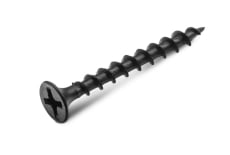

FT Phosphate Self-Tapping Screw with Countersunk Head for Drywall and Wood by Koelner
BrandKoelnerMaterialStalCoatingPhosphateDiameter, mm3.5, 3.8..Length, mm16, 19, 25, 32..Base materialWoodHeadHiddenPackaging, pcs.500, 200, 1000..SlotCruciform(PH)
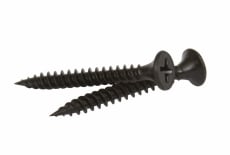
AN 206 phosphate Self-tapping screw for drywall for metal with countersunk head
StandardAN 206MaterialCase-hardened..CoatingPhosphateDiameter, mm3.5, 3.9..Length, mm19, 25, 35, 45..Base materialMetalHeadHiddenPackaging, pcs.500, 200, 1000..Type of carvingFullSlotCruciform(PH)
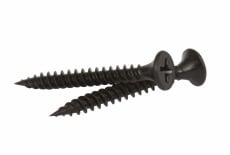
KSGM phosphate Self-tapping screw for plasterboard for metal with a countersunk head Wkret-Met
BrandWkret-MetStandardAN 206MaterialStalCoatingPhosphateDiameter, mm3.5, 4.2, 4.8Length, mm25, 35, 45, 55..Base materialMetalHeadReduced, HiddenPackaging, pcs.1000Type of carvingFullSlotCruciform(PH)
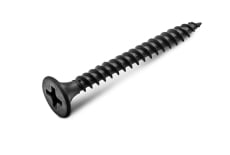
FS Phosphate Self-Tapping Screw with Countersunk Head for Drywall and Metal by Koelner
BrandKoelnerMaterialStalCoatingPhosphateDiameter, mm3.5, 4.2Length, mm25, 35, 45, 55..Base materialSteel profileHeadHiddenSlotCruciform(PH)
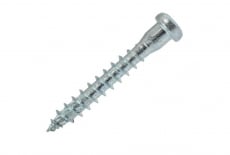

WKLC Self-tapping screw with half-round head for wood Wkret-Met
BrandWkret-MetMaterialStalCoatingZincDiameter, mm5Length, mm30, 35, 40, 50..Base materialWoodHeadSemicircularSlotStar-shaped..
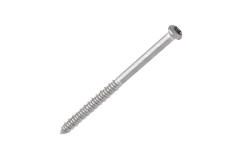

WBSW Self-tapping screw with half-round head for concrete Wkret-Met
BrandWkret-MetMaterialStalCoatingRuspertDiameter, mm6.3Length, mm60, 70, 80, 90..Base materialComplete basics..HeadSemicircularSlotStar-shaped..
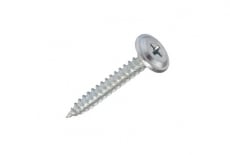
WPC / BWPC zinc Self-tapping Flange head screw Wkret-Met
BrandWkret-MetMaterialStalCoatingZincDiameter, mm4.2Length, mm13, 16, 19, 25..HeadFlatSlotCruciform(PH)
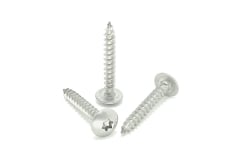

ART 9125 A2 Self-tapping screw with semi-round head for torx
Fastening groupStainless steel..StandardART 9125MaterialStainless steel..Diameter, mm6, 7Length, mm25, 30, 35, 40..HeadSemicircularPackaging, pcs.200, 100SlotStar-shaped..
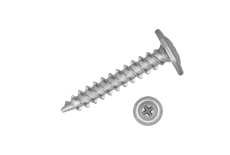
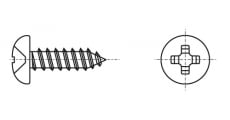
Koelner WF Zinc-Plated Self-Tapping Screw with Pan Head and Integrated Washer PH
BrandKoelnerMaterialStalCoatingZincDiameter, mm4.2Length, mm13, 16, 19, 25..HeadSemicircularSlotCruciform(PH)

.png "Oxid")
DIN 7981-C oxide Self-tapping screw with a half-round head PH
StandardDIN 7981MaterialStalCoatingOxidDiameter, mm4.8Length, mm16HeadCylindrical..Type of carvingFullSlotCruciform(PH)Field of applicationConstruction
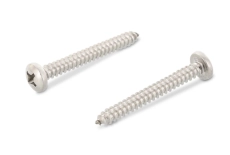
DIN 7981-C A2 Self-tapping screw with semicircular head PH
Fastening groupStainless steel..StandardDIN 7981MaterialStainless steel..Diameter, mm2.2, 2.9, 3.5, 3.9..Length, mm4.5, 6.5, 9.5, 13..Base materialMetalHeadSemicircularPackaging, pcs.500, 200, 1000..Type of carvingFullSlotCruciform(PH)Field of applicationConstructionTurnkey size, mm1, 2, 3AnalogГОСТ 1144-80, ISO..Popular nameUniversal self-tapping..
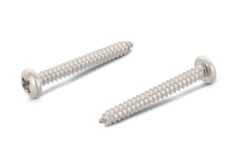
DIN 7981-C A2 Self-tapping screw with semicircular head PZ
Fastening groupStainless steel..StandardDIN 7981MaterialStainless steel..Diameter, mm2.2, 2.9, 3.5, 3.9..Length, mm4.5, 6.5, 9.5, 13..Base materialMetalHeadSemicircularPackaging, pcs.500, 200, 1000Type of carvingFullSlotCruciform (PZ)Field of applicationConstructionTurnkey size, mm1, 2, 3AnalogГОСТ 1144-80, ISO..Popular nameUniversal self-tapping..
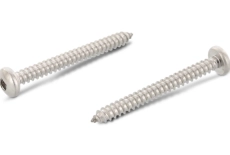
DIN 7981-C A2 Self-tapping screw with semicircular head SQ
Fastening groupStainless steel..StandardDIN 7981MaterialStainless steel..Diameter, mm3.5, 3.9, 4.2, 4.8..Length, mm9.5, 13, 16, 19..Base materialMetalHeadSemicircularPackaging, pcs.500, 200, 1000Type of carvingFullField of applicationConstructionTurnkey size, mm2, 3AnalogГОСТ 1144-80, ISO..Popular nameUniversal self-tapping..
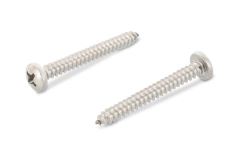

DIN 7981-C A4 Self-tapping screw with semicircular head PH
Fastening groupStainless steel..StandardDIN 7981MaterialStainless steel..Diameter, mm2.2, 2.9, 3.5, 3.9..Length, mm4.5, 6.5, 9.5, 13..Base materialMetalHeadSemicircularPackaging, pcs.500, 200, 1000..Type of carvingFullSlotCruciform(PH)Field of applicationConstructionTurnkey size, mm1, 2, 3AnalogГОСТ 1144-80, ISO..Popular nameUniversal self-tapping..
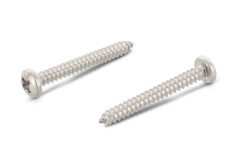
DIN 7981-C A4 Self-tapping screw with semicircular head PZ
Fastening groupStainless steel..StandardDIN 7981MaterialStainless steel..Diameter, mm2.2, 2.9, 3.5, 3.9..Length, mm4.5, 6.5, 9.5, 13..Base materialMetalHeadSemicircularPackaging, pcs.500, 200, 1000Type of carvingFullSlotCruciform (PZ)Field of applicationConstructionTurnkey size, mm1, 2, 3AnalogГОСТ 1144-80, ISO..Popular nameUniversal self-tapping..
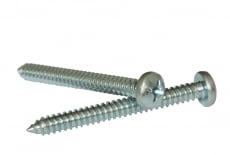
DIN 7981-C zinc Self-tapping screw with semicircular head PH
StandardDIN 7981MaterialStalCoatingZincDiameter, mm2.2, 2.5, 2.9, 3.5..Length, mm4.5, 6.5, 7, 8..Base materialMetalHeadSemicircularPackaging, pcs.500, 1000, 250..Type of carvingFullSlotCruciform(PH)Field of applicationConstructionTurnkey size, mm1, 2, 3AnalogГОСТ 1144-80, ISO..Popular nameUniversal self-tapping..
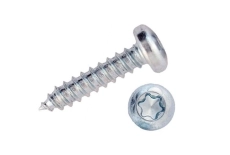
DIN 7981-C zinc Self-tapping screw with semicircular head under torx
StandardDIN 7981MaterialStalCoatingZincDiameter, mm2.2, 2.9, 3.5, 3.9..Length, mm4.5, 6.5, 9.5, 13..Base materialMetalHeadSemicircularPackaging, pcs.500, 1000, 250..Type of carvingFullSlotStar-shaped..Field of applicationConstructionTurnkey size, mm6, 10, 15, 20, 25..AnalogГОСТ 1144-80, ISO..Popular nameUniversal self-tapping..
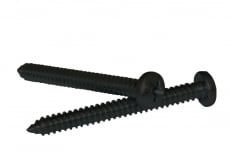

DIN 7981-C zinc plated black Self-tapping screw with semicircular head PH
StandardDIN 7981MaterialStalCoatingFlake..Diameter, mm2.9, 3.5, 3.9, 4.2..Length, mm6.5, 9.5, 13, 16..Base materialMetalHeadSemicircularPackaging, pcs.500, 1000, 250..Type of carvingFullSlotCruciform(PH)Field of applicationConstructionTurnkey size, mm1, 2AnalogГОСТ 1144-80, ISO..Popular nameUniversal self-tapping..
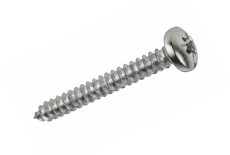
DIN 7981-C zinc Self-tapping screw with semicircular head PZ
StandardDIN 7981MaterialStalCoatingZincDiameter, mm2, 2.2, 2.9, 3.5..Length, mm4.5, 5, 6, 6.5..Base materialMetalHeadSemicircularPackaging, pcs.500, 1000, 250..Type of carvingFullSlotCruciform (PZ)Field of applicationConstructionTurnkey size, mm1, 2, 3AnalogГОСТ 1144-80, ISO..Popular nameUniversal self-tapping..
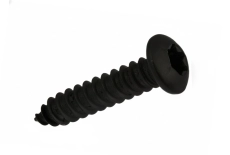

DIN 7981-C zinc black Self-tapping screw with semicircular head under torx
StandardDIN 7981MaterialStalCoatingBlack zinkDiameter, mm3.5, 3.9, 4.2, 4.8..Length, mm9.5, 13, 16, 19..Base materialMetalHeadSemicircularType of carvingFullSlotStar-shaped..Field of applicationConstructionTurnkey size, mm15, 20, 25AnalogГОСТ 1144-80, ISO..Popular nameUniversal self-tapping..
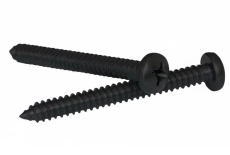
DIN 7981-C zinc black Self-tapping screw with semicircular head PH
StandardDIN 7981MaterialStalCoatingBlack zinkDiameter, mm2.9, 3.5, 3.9, 4.2..Length, mm6.5, 9.5, 13, 16..Base materialMetalHeadSemicircularType of carvingFullSlotCruciform(PH)Field of applicationConstructionTurnkey size, mm1, 2, 3AnalogГОСТ 1144-80, ISO..
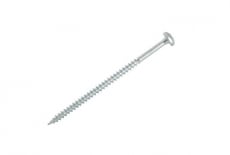
WBWT zinc Self-tapping screw with half-round head Wkret-Met
BrandWkret-MetStandardDIN 7981MaterialStalCoatingZincDiameter, mm3.5, 5, 6.3Length, mm9.5, 60, 70, 90Base materialPVCHeadSemicircularSlotStar-shaped..Field of applicationConstructionAnalogГОСТ 1144-80, ISO..
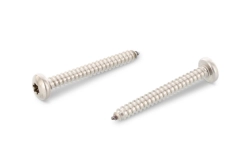
ISO 14585-C A2 Self-tapping screw with semicircular head for torx
Fastening groupStainless steel..StandardISO 14585MaterialStainless steel..Diameter, mm2.2, 2.9, 3.5, 3.9..Length, mm4.5, 6.5, 9.5, 13..Base materialMetalHeadSemicircularPackaging, pcs.500, 200, 1000..Type of carvingFullSlotStar-shaped..Field of applicationConstructionTurnkey size, mm6, 10, 15, 20, 25..AnalogDIN 7981..
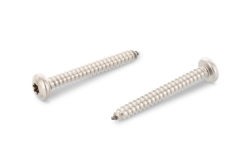
ISO 14585-C A4 Self-tapping screw with semicircular head for torx
Fastening groupStainless steel..StandardISO 14585MaterialStainless steel..Diameter, mm2.2, 2.9, 3.5, 3.9..Length, mm4.5, 6.5, 9.5, 13..Base materialMetalHeadSemicircularPackaging, pcs.500, 200, 1000Type of carvingFullSlotStar-shaped..Turnkey size, mm6, 10, 15, 20, 25..AnalogDIN 7981..
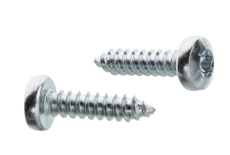
ISO 14585-C zinc Self-tapping screw with semicircular head for torx
StandardISO 14585MaterialStalCoatingZincDiameter, mm2.2, 2.9, 3.5, 3.9..Length, mm4.5, 6.5, 9.5, 13..Base materialMetalHeadSemicircularPackaging, pcs.500, 1000, 250..Type of carvingFullSlotStar-shaped..Turnkey size, mm6, 10, 15, 20, 25..AnalogDIN 7981..
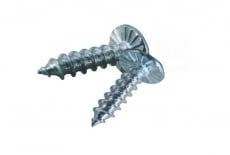
DIN 968-C zinc Self-tapping screw with semicircular head and press washer toothed PH
StandardDIN 968MaterialStalCoatingZincDiameter, mm3.5, 4.2, 4.8Length, mm9.5, 13, 16, 19..HeadSemicircularPackaging, pcs.500, 1000, 250Type of carvingFullSlotCruciform(PH)Turnkey size, mm2
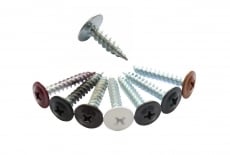

DIN 968-C zinc Self-tapping screw with semicircular head and press washer PH
StandardDIN 968MaterialStalCoatingZinc, RALDiameter, mm4.2, 4.8Length, mm13, 14, 16, 19..Base materialMetal, WoodHeadSemicircularColorRAL1013, RAL1018..Packaging, pcs.500, 1000, 12000..Type of carvingFullSlotCruciform(PH)Field of applicationFences, Roofing..Analog80L20
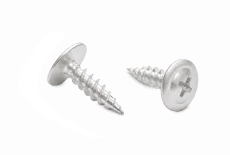
DIN 968-C A2 Self-tapping screw with semi-circular head and press washer PH
Fastening groupStainless steel..StandardDIN 968MaterialStainless steel..Diameter, mm4.2Length, mm13, 16, 19, 25..Base materialUniversalHeadSemicircularPackaging, pcs.500, 200, 1000Type of carvingFullSlotCruciform(PH)
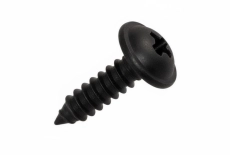
DIN 968-C phosphate Self-tapping screw with semicircular head and press washer PH
StandardDIN 968MaterialCase-hardened..CoatingPhosphateDiameter, mm4.2Length, mm13, 14, 16, 19..Base materialMetal, WoodHeadSemicircularPackaging, pcs.1000Type of carvingFullSlotCruciform(PH)Field of applicationConstructionAnalog80L20
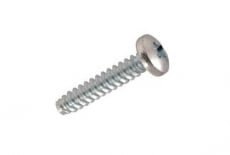
DIN 7981-F zinc Self-tapping screw with semicircular head PH
StandardDIN 7981MaterialStalCoatingZincDiameter, mm2.2, 2.9, 3.5, 3.9..Length, mm4.5, 6.5, 8, 9.5..Base materialMetalHeadSemicircularPackaging, pcs.500, 1000, 250..Type of carvingFullSlotCruciform(PH)Field of applicationConstructionTurnkey size, mm1, 2, 3Popular nameUniversal self-tapping..