


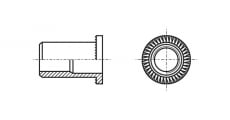
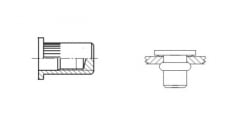
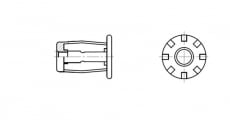
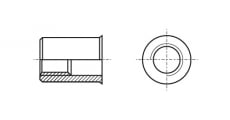
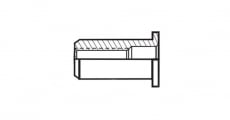
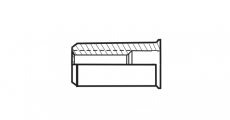
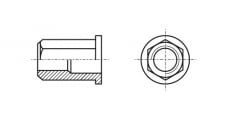
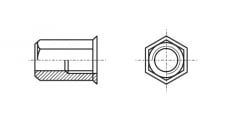
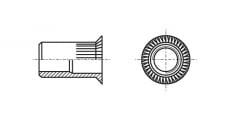
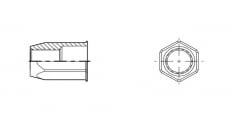
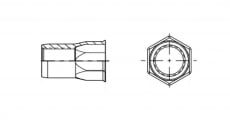
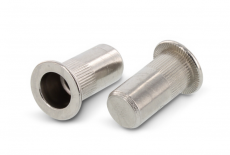

ART 1026 A2 Rivet nut with a flat edge grooved closed
Fastening groupStainless steel..Standardдубль ISO 73802MaterialStainless steel..Diameter, mm3, 4, 5, 6, 8, 10..Length, mm15.5, 16.5, 18..HeadFlatPackaging, pcs.250TypeClosedPopular nameBonka
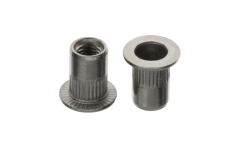

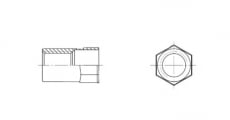
AN 315 AL Rivet nut with flat flange, knurled, open-ended
Fastening groupAluminum..StandardAN 315MaterialAluminiumDiameter, mm4, 5, 6, 8Length, mm10.5, 11.5, 14.5..HeadFlatPackaging, pcs.500, 250TypeOpenAnalogART 1025Popular nameBonka
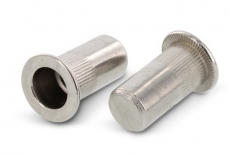

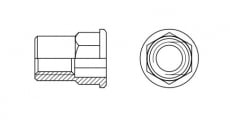
ART 1026 A4 Flat-flanged, ribbed, closed rivet nut
Fastening groupStainless steel..Standardдубль ISO 73802MaterialStainless steel..Diameter, mm3, 4, 5, 6, 8, 10..Length, mm15.5, 16.5, 18..HeadFlatPackaging, pcs.250TypeClosed
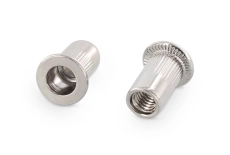
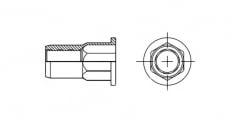
AN 315 A4 Rivet nut with a flat shoulder grooved open
Fastening groupStainless steel..StandardAN 315MaterialStainless steel..Diameter, mm3, 4, 5, 6, 8, 10..Length, mm10, 11.5, 12, 14.5..HeadFlatPackaging, pcs.250TypeOpenAnalogART 1025Popular nameBonka


AN 310 zinc Rivet nut with flat shoulder smooth open
StandardAN 310MaterialStalCoatingZincDiameter, mm5, 6, 12HeadFlatPackaging, pcs.500, 100TypeOpenPopular nameBonka
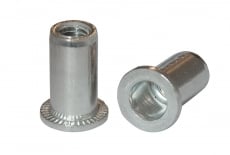
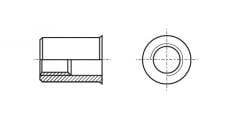
AN 310 A2 Riveting nut with flange smooth
Fastening groupStainless steel..StandardAN 310MaterialStainless steel..Diameter, mm4, 5, 6, 8HeadFlatPackaging, pcs.500TypeOpenPopular nameBonka
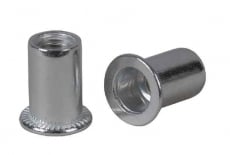
AN 310 Al Riveting nut with flange smooth
Fastening groupAluminum..StandardAN 310MaterialAluminiumDiameter, mm3, 4, 5, 6, 8HeadFlatPackaging, pcs.500, 250TypeOpenPopular nameBonka
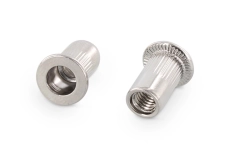
AN 315 A2 Rivet nut with corrugated flange
Fastening groupStainless steel..StandardAN 315MaterialStainless steel..Diameter, mm3, 4, 5, 6, 8, 10..Length, mm10, 11.5, 12, 14.5..HeadFlatPackaging, pcs.500, 250, 100, 50..TypeOpenAnalogART 1025Popular nameBonka
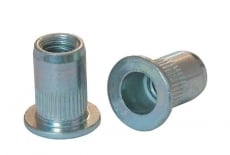
AN 315 zinc Riveting nut with corrugated flange
StandardAN 315MaterialStalCoatingZincDiameter, mm3, 4, 5, 6, 8, 10..Length, mm9.5, 10.5, 11.5..HeadFlatPackaging, pcs.500, 200, 250, 100..Field of applicationProduction..TypeOpenPopular nameBonka
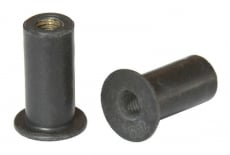

AN 417 Neoprene rivet nut with flat flange
StandardAN 417MaterialNeopreneDiameter, mm3, 4, 5, 6Length, mm12.6..HeadFlatPackaging, pcs.250, 25, 50Thread typeMetricTypeOpenPopular nameBonka
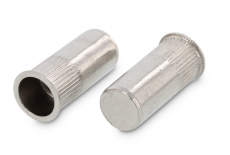
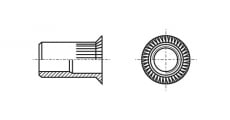
ART 1022 A2 Клепальная гайка CSK с потайным уменьшенным буртиком рифленая закрытая
Fastening groupStainless steel..StandardART 1022MaterialStainless steel..Diameter, mm3, 4, 5, 6, 8, 10..Length, mm15.5, 16.5, 19..HeadReduced, HiddenPackaging, pcs.250TypeClosedPopular nameBonka
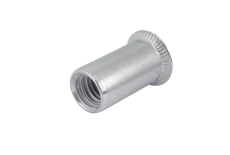

AN 318 Al RIVETTOP blind rivet nut with countersunk head, smooth, open-ended
Fastening groupAluminum..BrandRIVETTOPBrandRCalMaterialAluminiumDiameter, mm4, 5, 6HeadHiddenPackaging, pcs.500, 100Type of carvingFullField of applicationCar repair, Construction..Thread typeMetric
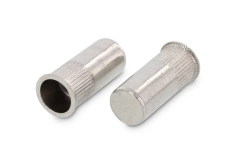
ART 1022 A4 Closed-end knurled rivet nut with reduced countersunk head
Fastening groupStainless steel..StandardART 1022MaterialStainless steel..Diameter, mm3, 4..Length, mm15.5, 16.5, 19..HeadReduced, HiddenPackaging, pcs.250TypeClosed
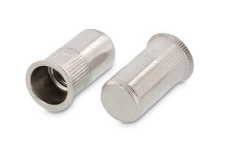
ART 1024 A2 Rivet nut with a countersunk flange, ribbed, closed
Fastening groupStainless steel..Standardдубль DIN 912MaterialStainless steel..Diameter, mm3, 4, 5, 6, 8, 10..Length, mm16.5, 17.5, 20.5..HeadHiddenPackaging, pcs.250TypeClosed
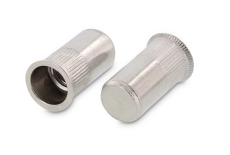
ART 1024 A4 Rivet nut with a countersunk flange, ribbed, closed
Fastening groupStainless steel..Standardдубль DIN 912MaterialStainless steel..Diameter, mm3, 4, 5, 6, 8, 10..Length, mm16.5, 17.5, 20.5..HeadHiddenPackaging, pcs.250TypeClosed
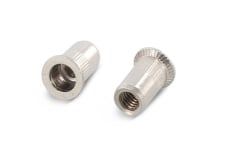
AN 318 A4 Rivet nut with countersunk shoulder, fluted open
Fastening groupStainless steel..StandardAN 318MaterialStainless steel..Diameter, mm3, 4, 5, 6, 8, 10..Length, mm9, 11.5, 13.5, 16..HeadHiddenPackaging, pcs.250TypeOpenAnalogART 1023
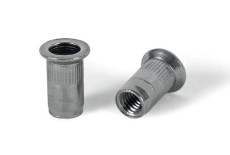

Rivet nut A2 with countersunk shoulder, fluted open Bralo
Fastening groupStainless steel..BrandBraloMaterialStainless steel..Diameter, mm4, 5, 6, 8HeadHiddenTypeOpenAnalogAN 318
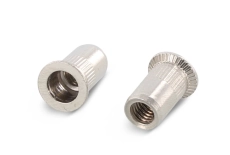
AN 318 A2 Rivet nut with concealed flange
Fastening groupStainless steel..StandardAN 318MaterialStainless steel..Diameter, mm3, 4, 5, 6, 8, 10..Length, mm9, 11.5, 13.5, 16..HeadHiddenPackaging, pcs.250TypeOpenAnalogART 1023Popular nameBonka
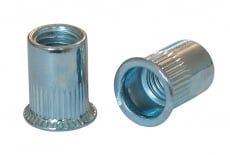
AN 318 zinc Rivet nut with concealed flange
StandardAN 318MaterialStalCoatingZincDiameter, mm4, 5, 6, 8, 10Length, mm11.5, 13, 16, 18.5..HeadHiddenPackaging, pcs.500, 250, 150TypeOpenPopular nameBonka
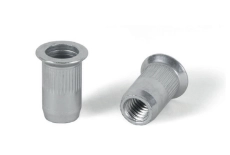
Riveting nut zinc with countersunk shoulder fluted open Bralo
BrandBraloMaterialStalCoatingZincDiameter, mm4, 5, 6, 8, 10HeadHiddenTypeOpenAnalogAN 318
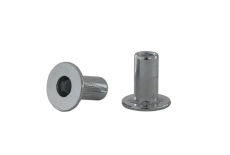
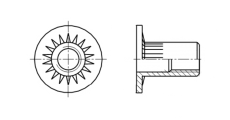
AN 317 zinc Rivet nut with a flat enlarged shoulder grooved open
StandardAN 317MaterialStalCoatingZincDiameter, mm6HeadEnlarged, FlatPackaging, pcs.200TypeOpenPopular nameBonka
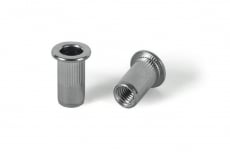
Riveting nut A2 with enlarged shoulder, fluted open Bralo
Fastening groupStainless steel..BrandBraloMaterialStainless steel..Diameter, mm4, 5, 6, 8, 10HeadEnlargedTypeOpen
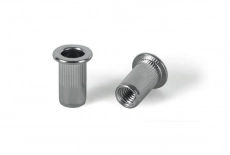
Riveting nut A4 with enlarged shoulder, fluted open Bralo
Fastening groupStainless steel..BrandBraloMaterialStainless steel..Diameter, mm4, 5, 6, 8, 10HeadEnlargedTypeOpen
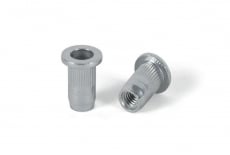
Riveting nut zinc with enlarged shoulder, fluted open Bralo
BrandBraloMaterialStalCoatingZincDiameter, mm3, 4, 5, 6, 8, 10..HeadEnlargedTypeOpen
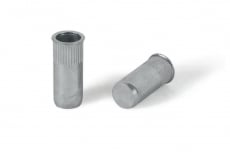
Zinc rivet nut with reduced shoulder, fluted closed Bralo
BrandBraloMaterialStalCoatingZincDiameter, mm4, 5, 6, 8HeadReducedPackaging, pcs.250TypeClosedPopular nameBonka
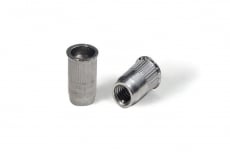
Riveting nut A2 with reduced shoulder, fluted open Bralo
Fastening groupStainless steel..BrandBraloMaterialStainless steel..Diameter, mm3, 4..HeadReducedTypeOpenPopular nameBonka
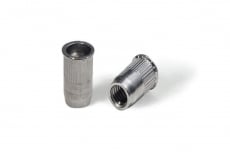
Riveting nut A4 with reduced shoulder, fluted open Bralo
Fastening groupStainless steel..BrandBraloMaterialStainless steel..Diameter, mm3, 4..HeadReducedTypeOpenPopular nameBonka
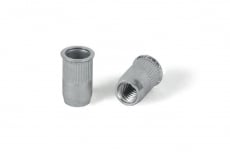
Rivet nut zinc with reduced shoulder, fluted open Bralo
BrandBraloMaterialStalCoatingZincDiameter, mm3, 4, 5, 6, 8, 10..HeadReducedPackaging, pcs.500TypeOpenPopular nameBonka
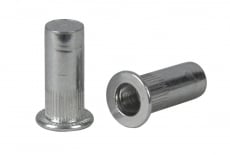
AN 324 zinc Rivet nut with flange corrugated tight
StandardAN 324MaterialStalCoatingZincDiameter, mm4, 5, 6, 8HeadFlatPackaging, pcs.200, 250TypeClosedPopular nameBonka

AN 324 A2 Rivet nut with a grooved edge, closed
Fastening groupStainless steel..StandardAN 324MaterialStainless steel..Diameter, mm6, 8HeadFlatTypeClosedPopular nameBonka
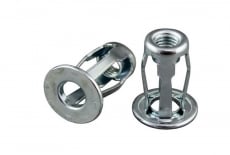
AN 247 zinc Riveting Nut Jack Nut
StandardAN 247MaterialStalCoatingZincDiameter, mm4, 5, 6Packaging, pcs.100, 50..Popular nameBonka
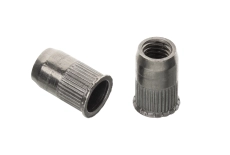
AN 320 A2 Riveting nut with recessed flange (small recess)
Fastening groupStainless steel..StandardAN 320MaterialStainless steel..Diameter, mm3, 4, 5, 6, 8, 10..Length, mm9, 10, 11.5, 12..HeadReduced, HiddenPackaging, pcs.500, 250, 50, 150..TypeOpenAnalogART 1021Popular nameBonka
- 1
- 2
