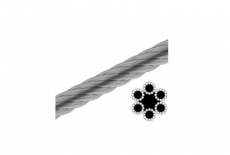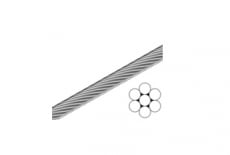
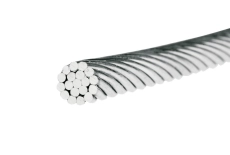


Ropes
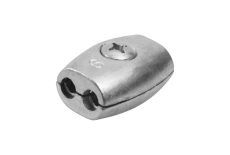
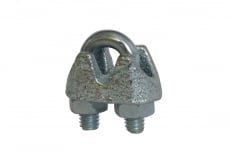
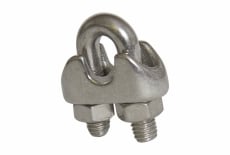
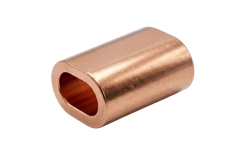
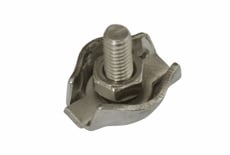
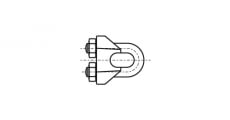
Cable clamps
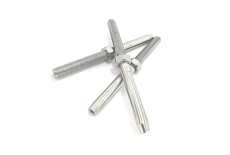
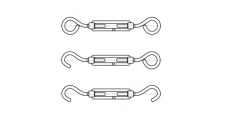
Lanyards
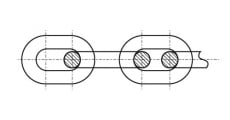
Chains
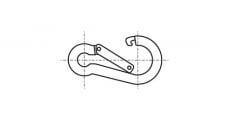
Carbines
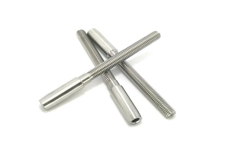
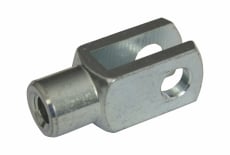
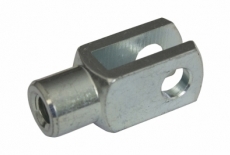
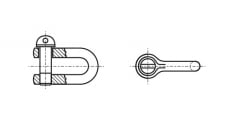
Rigging brackets


Rigging equipment is a collection of fastening elements and accessories used for connecting, tensioning, securing, and moving loads. This category includes steel wire ropes, chains, turnbuckles, snap hooks, shackles, wire rope thimbles, and other components.
Rigging equipment is used in construction, industrial manufacturing, mechanical engineering, logistics, and agriculture. Each component has a specific purpose, so it is important to consider its design, material, permissible load, and operating conditions when selecting a product.
The DINMARK B2B platform offers a range of rigging products for professional use. The catalogue allows customers to select the required components based on their technical characteristics and place wholesale orders.
Rigging equipment varies in design, purpose, and method of use. Some products are used to create connections, while others are intended for adjusting tension or securing individual structural components.
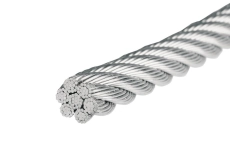
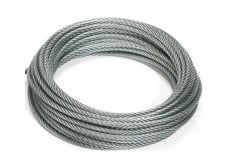
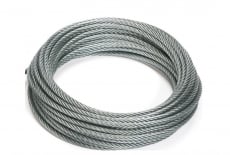
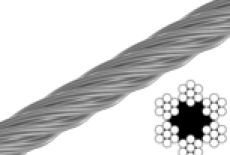
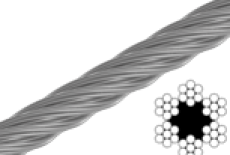
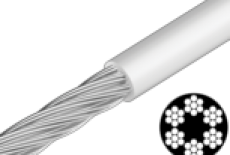
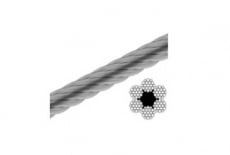
Steel wire ropes are flexible products made of metal wires twisted into strands. They are used for tensioning, securing, moving loads, and performing other installation tasks.
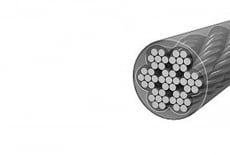
Depending on their construction, wire ropes may differ in the number of strands, core type, and rope lay.
Main characteristics:
Wire rope diameter and construction.
Manufacturing material.
Type of protective coating.
Breaking force.
Flexibility and resistance to external influences.
Galvanised wire ropes are often selected for outdoor applications, while stainless steel products are preferred for environments with increased humidity.
It is important to note that not every steel wire rope is designed for lifting loads. Such applications are only permissible when the product has the appropriate technical characteristics and its suitability for lifting has been confirmed.
Chains are used for connecting, securing, tensioning, and, when appropriately designed, lifting loads. They consist of interconnected metal links.
Depending on their design and intended application, chains are classified as long-link, short-link, and specialised lifting chains.
Chains of appropriate strength grades are used for lifting operations, including:
Grade 8 (G80) — high-strength steel chains used in lifting systems.
Grade 10 (G100) — chains with higher strength characteristics that may offer a greater working load limit than Grade 80 chains of the same nominal diameter.
The actual lifting capacity depends on the manufacturer, design, and characteristics of the specific chain.
Chains manufactured according to DIN 763 and DIN 766 standards are also used for installation and general-purpose applications. They should not automatically be considered equivalent to certified lifting chains.
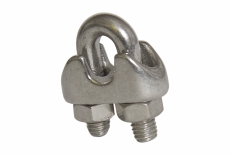
Wire rope clips are designed for mechanically securing steel wire ropes, forming loops, and connecting individual sections of wire rope.
Common options include wire rope clips manufactured according to DIN 741 and DIN 1142 standards, which differ in design and technical characteristics.
Main selection parameters:
Compatible wire rope diameter.
Type of wire rope clip.
Material and protective coating.
Number of clips required for the connection.
Installation and tightening requirements.
During installation, it is necessary to follow the manufacturer's recommendations regarding clip positioning, spacing, and nut tightening torque.
Not all types of wire rope clips are suitable for lifting systems. For such applications, only products and fastening methods whose suitability has been confirmed by the manufacturer should be used.
Turnbuckles are adjustable devices used to modify the tension of wire ropes, chains, and other structural components.
Their design typically consists of a body and two threaded end fittings with opposite thread directions. Rotating the body allows the tension to be increased or decreased without disconnecting the ends of the connection.
Depending on the type of end fittings, turnbuckles are available in the following configurations:
Hook–hook.
Hook–eye.
Eye–eye.
Jaw–jaw and other configurations.
Turnbuckles are used for tensioning wire rope structures, installing fencing, guy wires, supports, and engineering systems.
When selecting a turnbuckle, it is important to consider the adjustment range, thread diameter, type of end fittings, and permissible load.
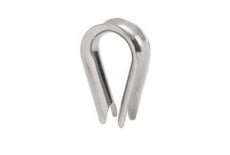
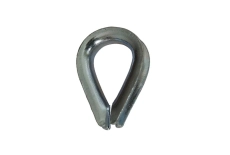
Wire rope thimbles are metal inserts installed inside the loop of a steel wire rope or cable.
The primary purpose of a wire rope thimble is to maintain the shape of the loop and reduce wire rope wear at the point of contact with other fastening components.
Depending on operating conditions, the following options are used:
Galvanised wire rope thimbles — for standard installation tasks requiring additional corrosion protection.
Stainless steel wire rope thimbles — for use in humid conditions and environments with increased corrosive exposure.
When selecting a wire rope thimble, it is necessary to consider the wire rope diameter, loop geometry, and compatibility with other components.
Snap hooks are connecting elements with a movable or threaded closing mechanism that allows wire ropes, chains, and other components to be quickly connected and disconnected.
Depending on their design, snap hooks may feature:
A spring-loaded gate.
A threaded locking sleeve.
A screw-locking mechanism.
Other types of locking elements.
Snap hooks are used for installing structures, securing equipment, and creating detachable connections.
For lifting operations or fall protection systems, only specialised snap hooks or carabiners with appropriate markings and verified technical characteristics must be used. Standard general-purpose snap hooks are not intended for such applications.
Rigging shackles are metal connecting elements used to attach wire ropes, chains, cables, and other components of rigging systems.
Based on their shape, shackles are divided into two main types:
Bow shackles — feature a rounded shape and a wider internal section, allowing multiple components to be connected in accordance with the design and permissible loading configuration.
Dee shackles (D-shackles) — feature a narrower shape and are primarily used for connections with loads applied along the intended axis.
Shackles may be equipped with a screw pin or a pin with an additional locking mechanism.
When selecting rigging shackles, it is necessary to consider the pin diameter, internal dimensions, material, and working load limit.
For lifting operations, only shackles specifically designed for such applications should be used.
Depending on its design and technical characteristics, rigging equipment is used across various industries.
The main areas of application include:
Construction. Installation of structures, fitting guy wires, tensioning wire ropes, and securing auxiliary components.
Industrial manufacturing. Connecting mechanical assemblies, installing equipment, and arranging technological systems.
Logistics. Securing loads during transportation and performing loading and unloading operations using appropriate equipment.
Agriculture. Securing components of trailer equipment, installing auxiliary structures, and maintaining machinery.
Mechanical engineering. Installation of mechanical connections, cable drive systems, and auxiliary fastening systems.
Infrastructure projects. Installation of wire rope fencing, supporting structures, and tensioning systems.
Rigging equipment must be selected according to the specific task. For example, tensioning parameters are important when installing guy wires, while lifting operations require verified lifting capacity for every component of the system.
Choosing the right rigging equipment affects the reliability of connections, the service life of structures, and operational safety.
Before placing an order, we recommend considering the following characteristics:
Intended application. Determine which operations the equipment is required for: securing, tensioning, connecting, or lifting loads.
Permissible load. For lifting equipment, check the working load limit (WLL) specified by the manufacturer.
Manufacturing material. Consider operating conditions, including exposure to moisture, temperature, and aggressive substances.
Dimensions. Ensure that the diameter, length, and other parameters correspond to the connection design.
Manufacturing standard. Verify that the product complies with the requirements of the technical documentation.
Component compatibility. All system components must be compatible in terms of design and permissible loads.
Particular attention should be paid to selecting products intended for lifting operations.
Important: breaking load and working load limit are different characteristics. When determining a safe working load, the safety factor, product design, and operating conditions must be taken into account.
DIN, ISO, and other regulatory standards may establish different product requirements. A standard designation alone does not guarantee that rigging equipment is suitable for lifting loads.
For safety-critical applications, we recommend checking technical characteristics, product markings, and the availability of the required supporting documentation.
The DINMARK B2B platform offers rigging equipment for construction companies, manufacturing enterprises, trading companies, and other professional customers.
The price of rigging equipment depends on several factors:
Product type and intended application.
Manufacturing material.
Dimensions and technical characteristics.
Strength grade and permissible load.
Type of protective coating.
Quantity of products ordered.
When searching for rigging equipment prices, it is important to consider that even visually similar products may differ significantly in technical characteristics and cost.
DINMARK offers wholesale rigging equipment to meet the regular needs of businesses and fastener retailers.
To purchase rigging equipment with the required characteristics, use the catalogue filters and select the appropriate products.
If you plan to buy rigging equipment wholesale for resale or manufacturing purposes, the DINMARK B2B platform allows you to create orders containing various types of products.
Current prices and available stock quantities are displayed according to the customer's partnership terms.
DINMARK is an importer and wholesale distributor of fasteners, offering businesses tools for organising efficient procurement processes.
Benefits of cooperation:
1️⃣ A wide product range. The ability to select rigging equipment in various types, sizes, and materials.
2️⃣ Wholesale purchasing conditions. Prices and purchasing terms tailored to the partnership level.
3️⃣ A convenient B2B account. Stock availability checks, order placement, and access to purchase history.
4️⃣ Supply planning. Information about expected incoming shipments and the ability to pre-order eligible products.
5️⃣ Professional assistance. Expert advice on technical characteristics and fastener selection.
6️⃣ Delivery across Ukraine. Organisation of product shipments in accordance with the agreed ordering conditions.
For companies planning to purchase rigging equipment wholesale on a regular basis, not only prices but also the ability to monitor stock availability and plan future purchases are important.
The DINMARK B2B platform helps optimise these processes and supply businesses with the necessary components.
The choice depends on operating conditions, corrosion resistance requirements, and the procurement budget.
Galvanised rigging equipment is generally more affordable and suitable for many standard installation tasks.
Products made of A2 or A4 stainless steel should be considered for use in humid conditions or environments with increased corrosive exposure.
However, corrosion resistance does not determine the permissible load. For safety-critical connections, the mechanical characteristics of the product must be verified separately.
Steel wire ropes, chains, turnbuckles, snap hooks, shackles, and wire rope clips remain among the commonly used types of rigging equipment in 2026.
They are used in construction, mechanical engineering, agriculture, and the installation of various structures.
However, the selection of a specific product should be based on technical requirements and intended application rather than its popularity.
DINMARK works exclusively with wholesale orders.
The minimum order value depends on the customer's partnership level. Orders can include various product items according to the available packaging quantities.
Current cooperation terms and the minimum order value can be checked in the B2B account or confirmed with a DINMARK representative.
The availability of certificates of conformity, quality certificates, and other supporting documents depends on the specific product, manufacturer, and supply batch.
For lifting equipment, it is particularly important to verify documentation confirming its intended application, technical characteristics, and permissible loads.
Before placing an order, we recommend contacting a DINMARK representative to confirm whether the required documentation can be provided.
Rigging equipment is delivered across Ukraine in accordance with the agreed ordering conditions.
The transportation method depends on the total weight, dimensions, quantity of products, and the carrier's capabilities.
For heavy or oversized orders, delivery conditions and costs must be confirmed individually.
When placing an order, a DINMARK representative will help arrange a suitable shipping method.
Enter your email address to follow the Dinmark news