


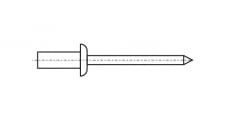


DIN 7337 Al/St Extraction rivet with a flat shoulder
Fastening groupAluminum..StandardDIN 7337MaterialAl/StDiameter, mm2.4, 3, 3.2, 4..Length, mm4, 5, 6, 7, 8, 10..HeadFlatPackaging, pcs.500, 200, 1000..AnalogISO 15977
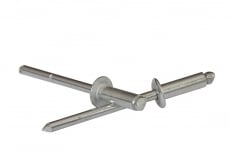

DIN 7337 A2/A2 exhaust Rivet with flat flange
Fastening groupStainless steel..StandardDIN 7337MaterialA2/A2Diameter, mm2.4, 3, 3.2, 3.8..Length, mm4, 6, 8, 10, 12..HeadFlatPackaging, pcs.500, 200..Field of applicationConstructionAnalogISO 15977, ISO 15979..
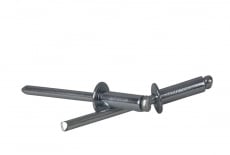

DIN 7337 St/St extraction Rivet with a flat shoulder
StandardDIN 7337MaterialSt/StDiameter, mm3, 3.2, 4, 4.8..Length, mm5, 6, 8, 10, 12..HeadFlatPackaging, pcs.500, 200, 1000..AnalogISO 15979


DIN 7337 Al/Al exhaust Rivet with flat flange
Fastening groupAluminum..StandardDIN 7337MaterialAl/AlDiameter, mm3.2, 4, 4.8Length, mm6, 6.1, 6.6, 7.2..HeadFlatPackaging, pcs.500, 1000, 250AnalogISO 15981..


DIN 7337 Al/A2 exhaust Rivet with flat flange
Fastening groupStainless steel..StandardDIN 7337MaterialAl/A2Diameter, mm3, 3.2, 3.8, 4..Length, mm4, 6, 8, 10, 12..HeadFlatPackaging, pcs.500, 200..Field of applicationFood IndustryAnalogISO 15977


DIN 7337 A4/A4 exhaust Rivet with flat flange
Fastening groupStainless steel..StandardDIN 7337MaterialA4/A4Diameter, mm3, 3.2, 4, 4.8..Length, mm6, 8, 10, 12, 14..HeadFlatPackaging, pcs.500, 250Field of applicationFood IndustryAnalogISO 15983..


DIN 7337 Al/St Extraction rivet painted with a flat edge
Fastening groupAluminum..StandardDIN 7337MaterialAl/StCoatingRALDiameter, mm3, 3.2, 4, 4.8Length, mm6, 8, 10, 12, 14..HeadFlatColorRAL8019, RAL9005..Packaging, pcs.500, 1000, 100..AnalogISO 15979
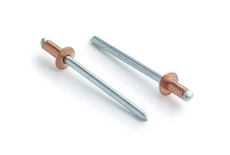

DIN 7337 Cu/St Extraction rivet with a flat shoulder
Fastening groupCopper..StandardDIN 7337MaterialCu/StCu/StDiameter, mm3, 4, 4.8Length, mm4, 6, 7, 8, 9, 10..HeadFlatPackaging, pcs.500, 250, 100AnalogISO 16582
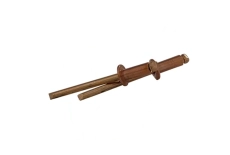

DIN 7337 Cu/Br extraction Rivet with a flat shoulder
Fastening groupBronze fastening..StandardDIN 7337MaterialCu/BrDiameter, mm3, 4Length, mm4, 6, 8, 10, 12HeadFlatPackaging, pcs.500AnalogISO 16582
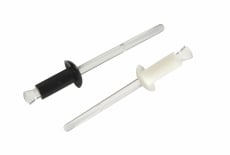



9700 N RFn Nyl/Pa Extraction rivet with a flat edge
Fastening groupPolyamide..BrandRIVETTOPStandard9700 NMaterialPoliamid, NylonDiameter, mm3.2, 4, 4.8Length, mm9.6, 11HeadFlatColorWhite, BlackPackaging, pcs.200, 250Field of applicationEngineering, Furniture..
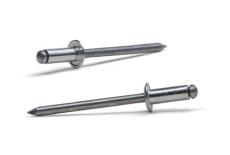

ISO 15977 Al/Al Extraction rivet with flat shoulder Bralo
Fastening groupAluminum..BrandBraloStandardISO 15977MaterialAl/AlDiameter, mm3.2, 4, 4.8Length, mm6, 8, 10, 12, 14..HeadFlatAnalogDIN 7337..
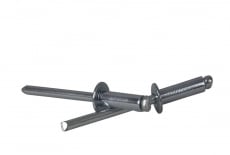
ISO 15979 St/St Extraction rivet with flat shoulder Bralo
BrandBraloStandardISO 15979MaterialSt/StDiameter, mm3, 3.2, 4, 4.8..Length, mm6, 8, 9, 10, 12..HeadFlatPackaging, pcs.100AnalogDIN 7337
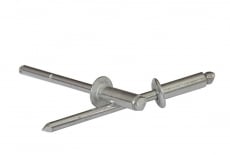
ISO 15983 A2/A2 Extraction rivet with flat shoulder Bralo
Fastening groupStainless steel..BrandBraloStandardISO 15983MaterialA2/A2Diameter, mm2.4, 3, 3.2, 4..Length, mm5, 6, 8, 10, 12..HeadFlatAnalogDIN 7337
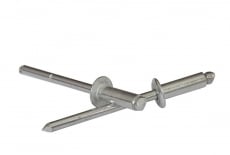
ISO 15983 A4/A4 Extraction rivet with flat shoulder Bralo
Fastening groupStainless steel..BrandBraloStandardISO 15983MaterialA4/A4Diameter, mm3, 3.2, 4, 4.8..Length, mm6, 8, 10, 12, 14..HeadFlatAnalogDIN 7337..
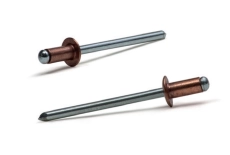
ISO 16582 Cu/St Extraction rivet with flat shoulder Bralo
Fastening groupCopper..BrandBraloStandardISO 16582MaterialCu/StCu/StDiameter, mm3, 4, 4.8Length, mm6, 8, 10, 12, 14..HeadFlatAnalogDIN 7337
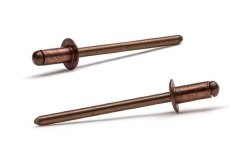
ISO 16582 Cu/Br Extraction rivet with flat shoulder Bralo
Fastening groupBronze fastening..BrandBraloStandardISO 16582MaterialCu/BrDiameter, mm3, 3.2, 4Length, mm6, 8, 10, 12, 14..HeadFlatAnalogDIN 7337
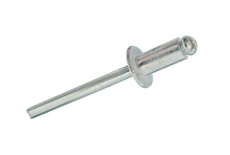
ISO 15977 Al/St Extraction rivet with flat shoulder Bralo
Fastening groupAluminum..BrandBraloStandardISO 15977MaterialAl/StDiameter, mm2.4, 3, 3.2, 4..Length, mm4, 5, 6, 7, 8, 9..HeadFlatAnalogDIN 7337
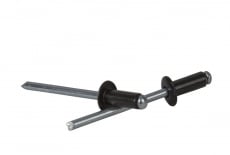
ISO 15977 Al/St Extraction rivet drawn with flat shoulder Bralo
Fastening groupAluminum..BrandBraloStandardISO 15977MaterialAl/StCoatingRALDiameter, mm2.4, 3.2..Length, mm4, 6, 8, 10, 12..HeadFlatColorRAL3115, RAL7038..AnalogDIN 7337
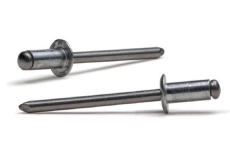
ISO 15977 Al/A2 Extraction rivet with flat shoulder Bralo
Fastening groupStainless steel..BrandBraloStandardISO 15977MaterialAl/A2Diameter, mm2.4, 3, 3.2, 4..Length, mm5, 6, 8, 10, 12..HeadFlatPackaging, pcs.500AnalogDIN 7337
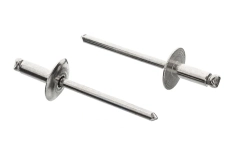
DIN 7337 A2/A2 exhaust Rivet with flat magnified flange
Fastening groupStainless steel..StandardDIN 7337MaterialA2/A2Diameter, mm3.2, 4, 4.8Length, mm10, 12, 13, 16HeadEnlargedPackaging, pcs.500, 250Field of applicationFood IndustryAnalogISO 15983..

DIN 7337 Al/St exhaust Rivet with flat magnified flange
Fastening groupAluminum..StandardDIN 7337MaterialAl/StDiameter, mm3.2, 4, 4.8, 5Length, mm6, 8, 10, 12, 14..HeadEnlargedPackaging, pcs.500, 250..AnalogAN 381..

DIN 7337 Al/Al Extraction rivet with a flat enlarged shoulder
Fastening groupAluminum..StandardDIN 7337MaterialAl/AlDiameter, mm3.2, 4.8Length, mm6.1, 9.2, 10.3..HeadEnlargedPackaging, pcs.500, 200..AnalogAN 382..

DIN 7337 St / St exhaust Rivet with flat magnified flange
StandardDIN 7337MaterialSt/StDiameter, mm4.8, 6.4Length, mm10, 10.3, 12, 13.5..HeadEnlargedPackaging, pcs.200, 250..Field of applicationProduction..AnalogAN 384

DIN 7337 Al/A2 exhaust Rivet with flat magnified flange
Fastening groupStainless steel..StandardDIN 7337MaterialAl/A2Diameter, mm4.8, 5Length, mm10, 12, 16, 20HeadEnlargedPackaging, pcs.500, 250Field of applicationFood IndustryAnalogAN 383..
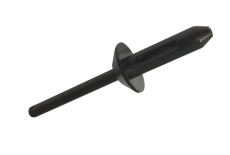
9700 M RFbn Nyl/Pa Extraction rivet with a split body and an enlarged shoulder
Fastening groupPolyamide..BrandRIVETTOPStandard9700 MMaterialPoliamid, NylonDiameter, mm3.9, 4.8..Length, mm15, 16, 18, 19..HeadEnlargedPackaging, pcs.100, 50, 20Field of applicationEngineering, Furniture..
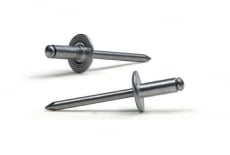
ISO 15977 Al/Al Extraction rivet with flat enlarged shoulder Bralo
Fastening groupAluminum..BrandBraloStandardISO 15977MaterialAl/AlDiameter, mm4.8Length, mm10, 14, 16, 18..HeadEnlargedAnalogDIN 7337..
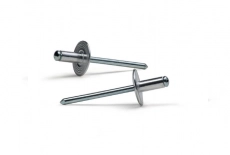
ISO 15977 Al/St Extraction rivet with flat enlarged shoulder Bralo
Fastening groupAluminum..BrandBraloStandardISO 15977MaterialAl/StDiameter, mm3.2, 4, 4.8, 5..Length, mm6, 8, 10, 12, 14..HeadEnlargedAnalogDIN 7337..
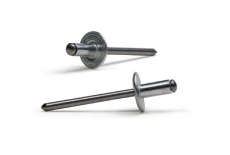
ISO 15977 Al/A2 Extraction rivet with flat enlarged shoulder Bralo
Fastening groupStainless steel..BrandBraloStandardISO 15977MaterialAl/A2Diameter, mm4, 4.8, 5Length, mm8, 10, 12, 14, 16..HeadEnlargedPackaging, pcs.150AnalogDIN 7337..
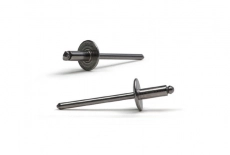
ISO 15983 A2/A2 Extraction rivet with flat enlarged shoulder Bralo
Fastening groupStainless steel..BrandBraloStandardISO 15983MaterialA2/A2Diameter, mm3.2, 4, 4.8Length, mm8, 10, 12, 13, 14..HeadEnlargedAnalogDIN 7337..
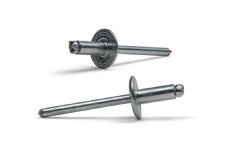
ISO 15979 St/St Extraction rivet with flat enlarged shoulder Bralo
BrandBraloStandardISO 15979MaterialSt/StDiameter, mm4, 4.8, 6.4Length, mm6, 8, 10, 12, 14..HeadEnlargedAnalogDIN 7337..

DIN 7337 Al/St exhaust Rivet with flat recessed flange
Fastening groupAluminum..StandardDIN 7337MaterialAl/StDiameter, mm3, 3.2, 4, 4.8..Length, mm6, 8, 9, 9.5, 10..HeadHiddenPackaging, pcs.500, 1000, 250..TypeHermeticAnalogISO 15978

DIN 7337 A2 / A2 exhaust Rivet with flat concealed flange
Fastening groupStainless steel..StandardDIN 7337MaterialA2/A2Diameter, mm3, 3.2, 4, 4.8..Length, mm6, 8, 10, 12, 14..HeadHiddenPackaging, pcs.500, 1000, 250Field of applicationFood IndustryAnalogISO 15984

