Tiles
List
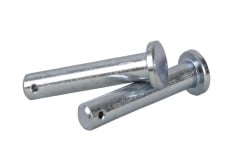


DIN 1444-B zinc Low head pin with hole
StandardDIN 1444MaterialStalCoatingZincDiameter, mm6, 8, 10, 12, 16..Length, mm12, 18, 20, 24..HeadFlatPackaging, pcs.500, 200, 100, 25..AnalogISO 2341Popular nameFinger..
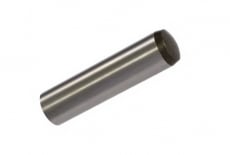

DIN 6325 steel Pin cylindrical hardened
StandardDIN 6325MaterialStalCoatingUncoveredDiameter, mm1, 1.5, 2, 2.5..Length, mm4, 5, 6, 8, 10..Packaging, pcs.500, 200, 1000..Field of applicationConstruction of..AnalogГОСТ 3128-70, ISO..
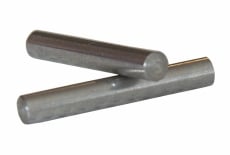

DIN 7 A1 Cylindrical pin
Fastening groupStainless steel..StandardDIN 7MaterialStainless steel..Diameter, mm0.8, 1, 1.5, 2..Length, mm3, 4, 5, 6, 8, 10..Packaging, pcs.33, 500, 200, 1000..Field of applicationProduction..AnalogГОСТ 3128-70, ISO..
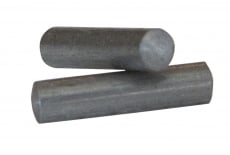
DIN 7 Cylindrical pin without coating
StandardDIN 7MaterialStalCoatingUncoveredDiameter, mm1, 1.5, 2, 2.5..Length, mm3, 4, 5, 6, 8, 10..Packaging, pcs.49, 500, 200, 1000..AnalogГОСТ 3128-70, ISO..
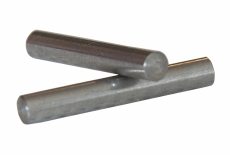

DIN 7 A4 Cylindrical pin
Fastening groupStainless steel..StandardDIN 7MaterialStainless steel..Diameter, mm0.8, 1, 1.5, 2..Length, mm3, 4, 5, 6, 8, 10..Packaging, pcs.500, 200, 1000..Field of applicationOptical and electronic..AnalogГОСТ 3128-70, ISO..
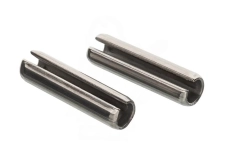

DIN 1481 A2 Cylindrical spring pin
Fastening groupStainless steel..StandardDIN 1481MaterialStainless steel..Diameter, mm1, 1.5, 2, 2.5..Length, mm4, 5, 6, 8, 10..Packaging, pcs.500, 200, 1000..Field of applicationProduction..AnalogГОСТ 14229-93, ISO..Popular namePin rivet
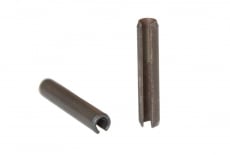
DIN 1481 Cylindrical spring pin without coating
StandardDIN 1481MaterialStalCoatingUncoveredDiameter, mm1, 1.5, 2, 2.5..Length, mm4, 5, 6, 8, 10..Packaging, pcs.500, 200, 1000..Field of applicationEngineeringAnalogГОСТ 14229-93, ISO..Popular namePin rivet
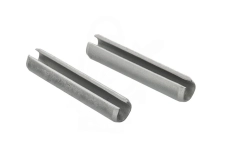

DIN 1481 zinc plated Cylindrical spring pin
StandardDIN 1481MaterialStalCoatingFlake zinkDiameter, mm4, 5, 6, 8, 10..Length, mm16, 20, 24, 28..Packaging, pcs.500, 200, 1000..AnalogГОСТ 14229-93, ISO..Popular namePin rivet
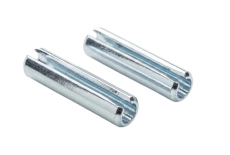
DIN 1481 zinc Cylindrical spring pin
StandardDIN 1481MaterialStalCoatingZincDiameter, mm3, 4, 5, 6, 8Length, mm10, 12, 14, 16..Packaging, pcs.500, 200, 100AnalogГОСТ 14229-93, ISO..Popular namePin rivet
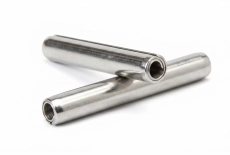
DIN 7343 A2 Cylindrical spring pin
Fastening groupStainless steel..StandardDIN 7343MaterialStainless steel..Diameter, mm1, 1.5, 2, 2.5..Length, mm4, 5, 6, 8, 10..Packaging, pcs.500, 200, 1000..AnalogISO 8750
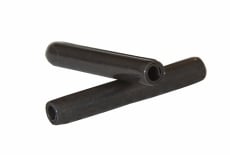
DIN 7343 Cylindrical spring pin without coating
StandardDIN 7343MaterialStalCoatingUncoveredDiameter, mm1.5, 2, 2.5, 3..Length, mm5, 6, 8, 10, 12..Packaging, pcs.500, 200, 1000..AnalogISO 8750
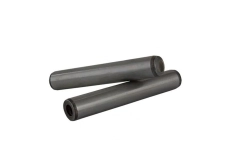
DIN 7979 steel Cylindrical pin with female thread
StandardDIN 7979MaterialStalCoatingUncoveredDiameter, mm4, 5, 6, 8, 10..Length, mm10, 12, 14, 16..Packaging, pcs.100, 25, 1, 10..AnalogГОСТ 12207-79, ISO..
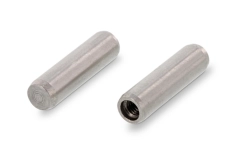
DIN 7979 A1 Cylindrical pin with female thread
Fastening groupStainless steel..StandardDIN 7979MaterialStainless steel..Diameter, mm4, 5, 6, 8, 10..Length, mm10, 12, 14, 16..Packaging, pcs.100, 25, 50AnalogГОСТ 12207-79, ISO..
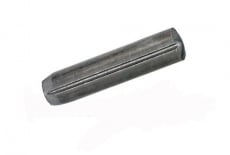
DIN 1473 steel Cylindrical pin with notch
StandardDIN 1473MaterialStalCoatingUncoveredDiameter, mm1.5, 2, 2.5, 3..Length, mm4, 6, 8, 10, 12..Packaging, pcs.250, 100, 25AnalogEN ISO 8740
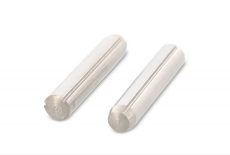
DIN 1473 A1 Cylindrical pin with notch
Fastening groupStainless steel..StandardDIN 1473MaterialStainless steel..Diameter, mm1.5, 2, 2.5, 3..Length, mm4, 5, 6, 8, 10..Packaging, pcs.500, 200, 1000..AnalogEN ISO 8740
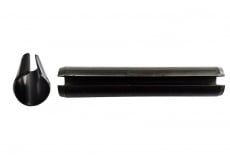
DIN 7346 Pin spring cylindrical with slot without coating
StandardDIN 7346MaterialStalCoatingUncoveredDiameter, mm2, 2.5, 3, 4, 5..Length, mm4, 5, 6, 8, 10..Packaging, pcs.200, 100..AnalogISO 13337
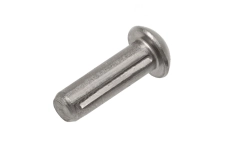
DIN 1476 steel Cylindrical pin with semicircular head
StandardDIN 1476MaterialStalCoatingUncoveredDiameter, mm1.4, 1.6, 2, 2.3..Length, mm3, 4, 5, 6, 7, 8..Packaging, pcs.500, 1000, 250..AnalogEN ISO 8746Popular namePin rivet
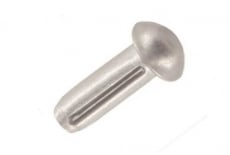

DIN 1476 aluminum Cylindrical pin with semicircular head
Fastening groupAluminum..StandardDIN 1476MaterialAluminiumDiameter, mm1.4, 1.6, 2, 2.3..Length, mm3, 4, 5, 6, 8, 10..Packaging, pcs.500AnalogEN ISO 8746Popular namePin rivet
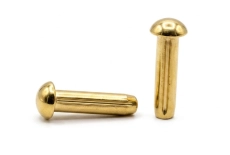

DIN 1476 brass Cylindrical pin with semicircular head
Fastening groupBrass fasteningStandardDIN 1476MaterialBrassDiameter, mm2, 3Length, mm3, 4, 5, 6, 8, 10..Packaging, pcs.200, 1000AnalogEN ISO 8746Popular namePin rivet
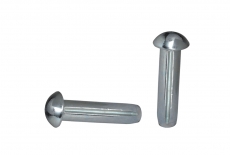
DIN 1476 A2 Cylindrical pin with semicircular head
Fastening groupStainless steel..StandardDIN 1476MaterialStainless steel..Diameter, mm1.4, 1.6, 2, 2.5..Length, mm3, 4, 5, 6, 8, 10..Packaging, pcs.500, 200, 1000..AnalogEN ISO 8746Popular namePin rivet
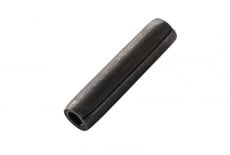
DIN 7344 steel Cylindrical spring pin
StandardDIN 7344MaterialStalCoatingUncoveredDiameter, mm1.5, 2, 2.5, 3..Length, mm8, 10, 12, 14, 16..Packaging, pcs.500, 200, 1000..AnalogEN ISO 8748
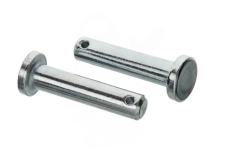
DIN 1434 B zinc Cylindrical pin
StandardDIN 1434BMaterialStalCoatingZincDiameter, mm6, 8, 10, 12Length, mm18, 23, 29, 35Packaging, pcs.500, 200, 100
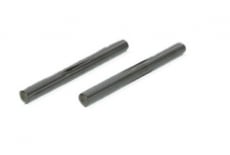
DIN 1475 steel Cylindrical pin with central notch
StandardDIN 1475MaterialStalCoatingUncoveredDiameter, mm1.5, 2, 2.5, 3..Length, mm6, 8, 10, 12, 14..Packaging, pcs.250, 100, 25AnalogEN ISO 8742
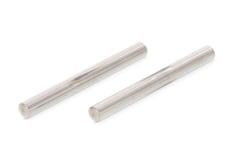
DIN 1475 A1 Cylindrical pin with central notch
Fastening groupStainless steel..StandardDIN 1475MaterialStainless steel..Diameter, mm1.5, 2, 2.5, 3..Length, mm8, 10, 12, 16, 20..Packaging, pcs.500, 200..AnalogEN ISO 8742
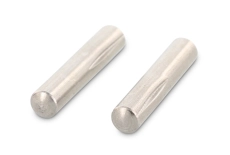
DIN 1474 A1 Cylindrical driving pin with notch
Fastening groupStainless steel..StandardDIN 1474MaterialStainless steel..Diameter, mm1.5, 2, 2.5, 3..Length, mm6, 8, 10, 12, 16..Packaging, pcs.500, 200, 100, 25..AnalogEN ISO 8741
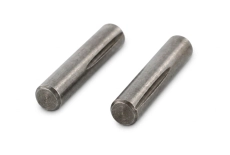
DIN 1474 steel Cylindrical driving pin with notch
StandardDIN 1474MaterialStalCoatingUncoveredDiameter, mm1.5, 2, 2.5, 3..Length, mm6, 8, 10, 12, 14..Packaging, pcs.250, 100, 25AnalogEN ISO 8741
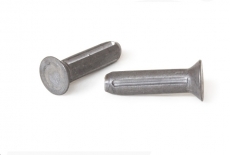
DIN 1477 steel Cylindrical pin with countersunk head and notch
StandardDIN 1477MaterialStalCoatingUncoveredDiameter, mm2, 3, 4, 5, 6Length, mm4, 6, 8, 10, 12..Packaging, pcs.500, 250AnalogEN ISO 8746Popular namePin rivet
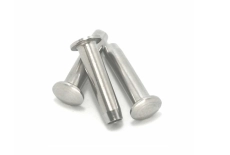
ART 8558 A4 Pin with rounded head
Fastening groupStainless steel..StandardART 8558MaterialStainless steel..Diameter, mm3, 4, 6Length, mm25, 30, 40Packaging, pcs.10
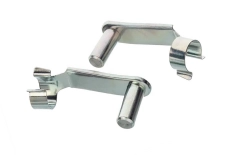
AN 124 zinc Pin with spring guard
StandardAN 124MaterialStalCoatingZincDiameter, mm4, 5, 6, 8, 10..Length, mm8, 10, 12, 16, 20..Packaging, pcs.25, 10..Field of applicationAgriculture
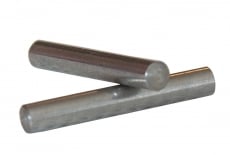
DIN 1 A1 Conical pin
Fastening groupStainless steel..StandardDIN 1MaterialStainless steel..Diameter, mm1, 1.5, 2, 2.5..Length, mm8, 10, 12, 14, 16..Packaging, pcs.200, 100..AnalogГОСТ 3129-70, ISO..
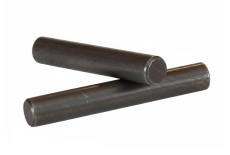
DIN 1 Conical pin without coating
StandardDIN 1MaterialStalCoatingUncoveredDiameter, mm1, 1.5, 2, 2.5..Length, mm10, 12, 14, 16..Packaging, pcs.200, 100, 25, 10..AnalogГОСТ 3129-70, ISO..
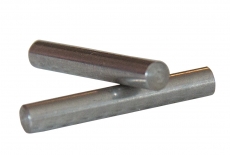
DIN 1 A4 Conical pin
Fastening groupStainless steel..StandardDIN 1MaterialStainless steel..Diameter, mm4, 5, 6, 8, 10Length, mm30, 32, 36, 40..AnalogГОСТ 3129-70, ISO..
- 1
- 2