


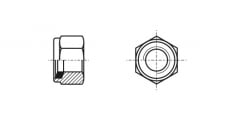
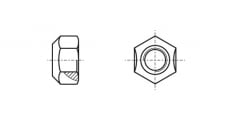
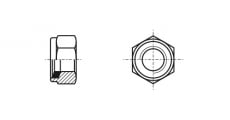
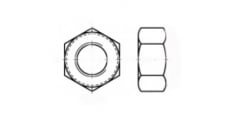
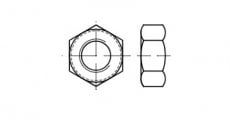
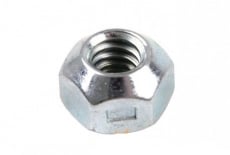
Harvester segment nut
StandardDIN 980Diameter, mm6Type of carvingFullThread typeMetricTypeHexagonAnalogISO 7042Popular nameLock nut
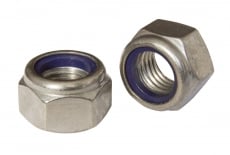

DIN 985 A2 self-locking Nut
Fastening groupStainless steel..StandardDIN 985MaterialStainless steel..Diameter, mm2, 2.5, 3, 4, 5..Height, mm3.2, 3.5, 4, 5..Packaging, pcs.500, 200, 1000..Type of carvingFullField of applicationFood IndustryThread typeMetricThreading step, mm0.4, 0.45, 0.5..Turnkey size, mm5.5, 7, 8, 10, 13..TypeHexagonAnalogISO 10511Popular nameLock nut
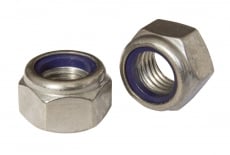
DIN 985 A2 self-locking Nut with small step
Fastening groupStainless steel..StandardDIN 985MaterialStainless steel..Diameter, mm8, 10, 12, 14, 16..Height, mm8, 10, 12, 14, 16..Packaging, pcs.200, 100..Type of carvingFullField of applicationFood IndustryThread typeMetric..Threading step, mm1, 1.25, 1.5, 2Turnkey size, mm13, 17, 19, 22..TypeHexagonAnalogISO 10511Popular nameLock nut
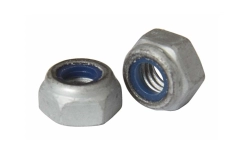


DIN 985 8 zinc plate Self-locking nut with fine pitch
Fastening groupHigh-strength..StandardDIN 985MaterialStalStrength class8CoatingFlake zinkDiameter, mm14, 22, 24, 30Height, mm14, 22, 24, 30Packaging, pcs.100, 25, 15Type of carvingFullThread typeMetric..TypeHexagonAnalogISO 10511Popular nameLock nut
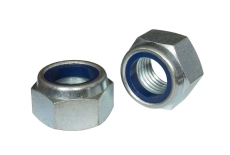

DIN 985 8 zinc Self-locking nut with left-hand thread
StandardDIN 985MaterialStalStrength class8CoatingZincDiameter, mm16Height, mm16Type of carvingFullField of applicationEngineeringThread typeMetricThreading step, mm2Turnkey size, mm24TypeLow
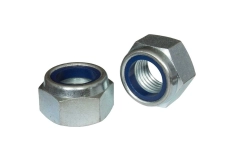

DIN 985 6 zinc Self-locking nut with fine pitch
StandardDIN 985MaterialStalStrength class6CoatingZincDiameter, mm8Height, mm8Packaging, pcs.1Type of carvingFullField of applicationEngineeringThread typeMetric..Threading step, mm1TypeLowPopular nameLock nut
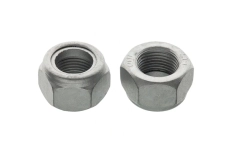

DIN 985 10 Zinc-Plated Self-Locking Nut with Fine Thread
Fastening groupHigh-strength..StandardDIN 985MaterialStalStrength class10CoatingFlake zinkDiameter, mm14, 20Height, mm14, 20Packaging, pcs.100, 50Type of carvingFullThread typeMetric..TypeHexagonAnalogISO 10511Popular nameLock nut
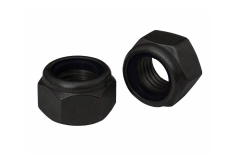

DIN 985 8 zinc-nickel black self-locking nut
Fastening groupHigh-strength..StandardDIN 985MaterialStalStrength class8CoatingZinc-nickel..Diameter, mm4, 5Height, mm5Packaging, pcs.2500Type of carvingFullThread typeMetricThreading step, mm0.7, 0.8TypeHexagonAnalogISO 10511Popular nameLock nut
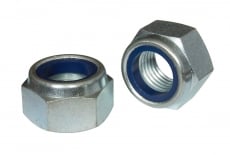
DIN 985 zinc self-locking Nut
Fastening groupHigh-strength..StandardDIN 985MaterialStalStrength class8CoatingZincDiameter, mm5, 6, 7, 8, 10..Height, mm5, 6, 7, 8, 10..Packaging, pcs.500, 200, 1000..Type of carvingFullField of applicationAgricultureThread typeMetricThreading step, mm0.8, 1, 1.25, 1.5..Turnkey size, mm8, 10, 11, 13, 17..TypeHexagonAnalogISO 10511Popular nameLock nutOEM numbers042006 Geringhoff..
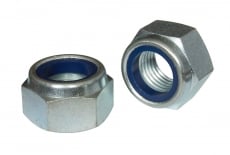
DIN 985 8 zinc self-locking Nut with small step
Fastening groupHigh-strength..StandardDIN 985MaterialStalStrength class8CoatingZincDiameter, mm8, 10, 12, 14, 16..Height, mm8, 10, 12, 14, 16..Packaging, pcs.500, 250, 100, 25..Type of carvingFullThread typeMetric..Threading step, mm1, 1.25, 1.5, 2..Turnkey size, mm13, 17, 19, 22..TypeHexagonAnalogISO 10511Popular nameLock nut
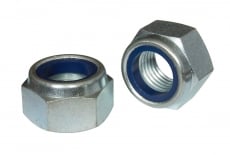
DIN 985 10 zinc self-locking Nut
Fastening groupHigh-strength..StandardDIN 985MaterialStalStrength class10CoatingZincDiameter, mm5, 6, 8, 10, 12..Height, mm5, 6, 8, 10, 12..Packaging, pcs.500, 200, 1000..Type of carvingFullThread typeMetricThreading step, mm0.8, 1, 1.25, 1.5..Turnkey size, mm8, 10, 13, 17, 19..TypeHexagonAnalogISO 10511Popular nameLock nutOEM numbers042006 Geringhoff..
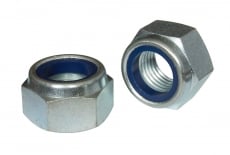
DIN 985 10 zinc self-locking Nut with small step
Fastening groupHigh-strength..StandardDIN 985MaterialStalStrength class10CoatingZincDiameter, mm8, 10, 12, 14, 16..Height, mm8, 10, 12, 14, 16..Packaging, pcs.250, 100, 25, 10..Type of carvingFullThread typeMetric..Threading step, mm1, 1.25, 1.5, 2..Turnkey size, mm13, 17, 19, 22..TypeHexagonAnalogISO 10511Popular nameLock nut
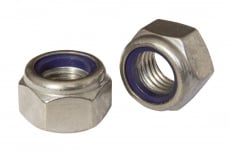

DIN 985 A4 self-locking Nut
Fastening groupStainless steel..StandardDIN 985MaterialStainless steel..Diameter, mm2.5, 3, 4, 5, 6..Height, mm3.5, 4, 5, 6, 8..Packaging, pcs.500, 1000, 250..Type of carvingFullField of applicationFood IndustryThread typeMetricThreading step, mm0.5, 0.7, 0.8, 1..Turnkey size, mm5, 5.5, 7, 8, 10..TypeHexagonAnalogISO 10511Popular nameLock nut
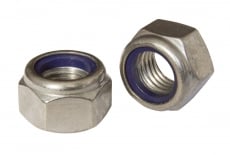
DIN 985 A4 self-locking Nut with small step
Fastening groupStainless steel..StandardDIN 985MaterialStainless steel..Diameter, mm8, 10, 12, 14, 16..Height, mm8, 10, 12, 14, 16..Packaging, pcs.200, 100..Type of carvingFullField of applicationFood IndustryThread typeMetric..Threading step, mm1, 1.5, 2Turnkey size, mm13, 17, 19, 22..TypeHexagonAnalogISO 10511Popular nameLock nut
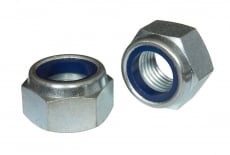
DIN 985 6 zinc self-locking Nut
StandardDIN 985MaterialStalStrength class6CoatingZincDiameter, mm2.5, 3, 4, 5, 6..Height, mm3.5, 4, 5, 6, 8..Packaging, pcs.500, 1000, 250..Type of carvingFullThread typeMetricThreading step, mm0.5, 0.7, 0.8, 1..Turnkey size, mm5, 5.5, 7, 8, 10..TypeHexagonAnalogISO 10511Popular nameLock nut
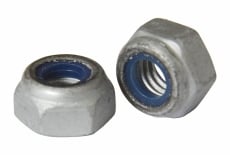
DIN 985 8 zinc plated self-locking Nut
Fastening groupHigh-strength..StandardDIN 985MaterialStalStrength class8CoatingFlake zinkDiameter, mm6, 8, 10, 12, 14..Height, mm6, 8, 10, 12, 14..Packaging, pcs.500, 200, 250, 100..Type of carvingFullThread typeMetricThreading step, mm1, 1.25, 1.5, 1.75..Turnkey size, mm10, 13, 17, 19..TypeHexagonAnalogISO 10511Popular nameLock nut
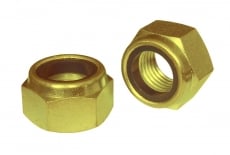

DIN 985 8 zinc yellow self-locking Nut
Fastening groupHigh-strength..StandardDIN 985MaterialStalStrength class8CoatingYellow zinkDiameter, mm3, 4, 5, 6, 8, 10..Height, mm4, 5, 6, 8, 10..Type of carvingFullThread typeMetricThreading step, mm0.5, 0.7, 0.8, 1..Turnkey size, mm5.5, 7, 8, 10, 13..TypeHexagonAnalogISO 10511Popular nameLock nut
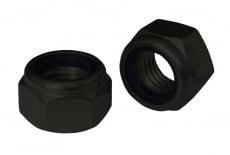

DIN 985 8 zinc plated black self-locking Nut
Fastening groupHigh-strength..StandardDIN 985MaterialStalStrength class8CoatingFlake..Diameter, mm6, 8, 10, 12, 14..Height, mm5, 6, 8, 10, 12..Packaging, pcs.500, 200, 250, 100..Type of carvingFullThread typeMetricThreading step, mm0.8, 1, 1.25, 1.5..Turnkey size, mm22TypeHexagonAnalogISO 10511Popular nameLock nut
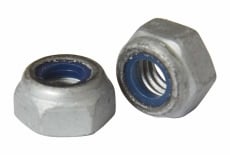
DIN 985 10 zinc plated self-locking Nut
Fastening groupHigh-strength..StandardDIN 985MaterialStalStrength class10CoatingFlake zinkDiameter, mm6, 8, 10, 12, 14..Height, mm6, 8, 10, 12, 14..Packaging, pcs.500, 200, 25, 10..Type of carvingFullThread typeMetricThreading step, mm1, 1.25, 1.5, 1.75..Turnkey size, mm27TypeHexagonAnalogISO 10511Popular nameLock nut
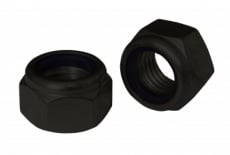
DIN 985 10 zinc plated black self-locking Nut
Fastening groupHigh-strength..StandardDIN 985MaterialStalStrength class10CoatingFlake..Diameter, mm6, 8, 10, 12, 14..Height, mm6, 8, 10, 12, 14..Packaging, pcs.500, 25, 50, 75..Type of carvingFullThread typeMetricTypeHexagonAnalogISO 10511Popular nameLock nut
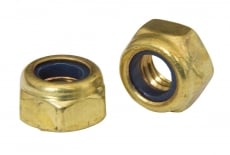

DIN 985 brass self-locking Nut
Fastening groupBrass fasteningStandardDIN 985MaterialBrassDiameter, mm4, 5, 6, 8, 10..Height, mm5, 6, 8, 10, 12Packaging, pcs.100, 50Type of carvingFullThread typeMetricThreading step, mm0.7, 0.8, 1, 1.25..Turnkey size, mm7, 8, 10, 13, 17..TypeHexagonAnalogISO 10511Popular nameLock nut


DIN 980 10 Nut self-locking
Fastening groupHigh-strength..StandardDIN 980MaterialStalStrength class10CoatingUncoveredDiameter, mm8, 10, 12, 14, 16..Height, mm8, 10, 12, 14, 16..Packaging, pcs.500, 200, 25, 10..Type of carvingFullThread typeMetricThreading step, mm1.25, 1.5, 1.75..Turnkey size, mm13, 17, 19, 22..TypeHexagonAnalogISO 7042Popular nameLock nutOEM numbers214371 Claas, 216412..
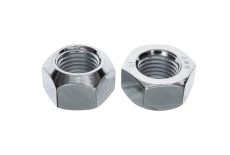
DIN 980 8 zinc Nut self-locking
Fastening groupHigh-strength..StandardDIN 980MaterialStalStrength class8CoatingZincDiameter, mm3, 4, 5, 6, 8, 10..Height, mm3.7, 4.2, 5.1, 6..Packaging, pcs.500, 1000, 250..Type of carvingFullThread typeMetricThreading step, mm0.5, 0.7, 0.8, 1..Turnkey size, mm5.5, 7, 8, 10, 13..TypeHexagonAnalogISO 7042Popular nameLock nutOEM numbers233587 Claas, 214371..
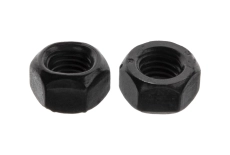
DIN 980 8 zinc-nickel black Self-locking nut
Fastening groupHigh-strength..StandardDIN 980MaterialStalStrength class8CoatingZinc-nickel..Diameter, mm5Height, mm5.1Packaging, pcs.1000Type of carvingFullThread typeMetricThreading step, mm0.8Turnkey size, mm8TypeHexagonPopular nameLock nut
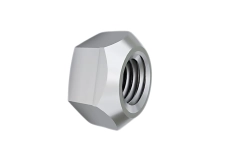
DIN 980 10 Delta Self-locking nut with fine pitch
Fastening groupHigh-strength..StandardDIN 980MaterialStalStrength class10CoatingDeltaDiameter, mm16Height, mm16Packaging, pcs.25Type of carvingFullField of applicationEngineeringThread typeMetric..Threading step, mm1.5Turnkey size, mm24TypeHexagon
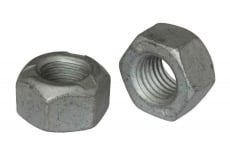
DIN 980 10 zinc plated Nut self-locking with small step
Fastening groupHigh-strength..StandardDIN 980MaterialStalStrength class10CoatingFlake zinkDiameter, mm10, 12, 14, 16..Height, mm10, 12, 14, 16..Packaging, pcs.200, 100, 20, 75..Type of carvingFullThread typeMetric..Threading step, mm1.25, 1.5, 2Turnkey size, mm17, 19, 22, 24..TypeHexagonAnalogISO 7042Popular nameLock nut
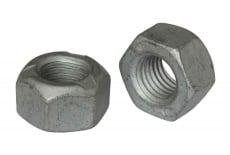
DIN 980 10 zinc plated Nut self-locking
Fastening groupHigh-strength..StandardDIN 980MaterialStalStrength class10CoatingFlake zinkDiameter, mm6, 8, 10, 12, 14..Height, mm6, 8, 10, 12, 14..Packaging, pcs.500, 200, 1000..Type of carvingFullThread typeMetricThreading step, mm1, 1.25, 1.5, 1.75..Turnkey size, mm10, 13, 17, 19..TypeHexagonAnalogISO 7042Popular nameLock nut
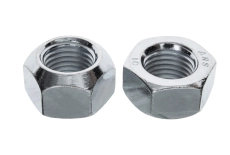
DIN 980 10 zinc Nut self-locking
Fastening groupHigh-strength..StandardDIN 980MaterialStalStrength class10CoatingZincDiameter, mm6, 8, 10, 12, 14..Height, mm6, 8, 10, 12, 14..Packaging, pcs.1000, 100, 25, 10..Type of carvingFullThread typeMetricThreading step, mm1, 1.25, 1.5, 1.75..Turnkey size, mm10, 13, 17, 19..TypeHexagonAnalogISO 7042Popular nameLock nutOEM numbers233587 Claas, 214371..
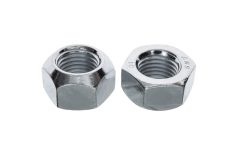
DIN 980 10 zinc Nut self-locking with small step
Fastening groupHigh-strength..StandardDIN 980MaterialStalStrength class10CoatingZincDiameter, mm8, 10, 12, 14, 16..Height, mm8, 10, 12, 14, 16..Packaging, pcs.100, 25, 10, 50..Type of carvingFullThread typeMetric..Threading step, mm1, 1.25, 1.5, 2Turnkey size, mm13, 17, 19, 22..TypeHexagonAnalogISO 7042Popular nameLock nutOEM numbers211230 Claas, 239004..
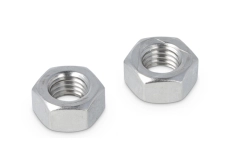
DIN 980 A2 Nut self-locking
Fastening groupStainless steel..StandardDIN 980MaterialStainless steel..Diameter, mm2.5, 3, 4, 5, 6..Height, mm2, 3.7, 4.2, 5.1..Packaging, pcs.200, 100, 25, 10..Type of carvingFullThread typeMetricThreading step, mm0.45, 0.5, 0.7..Turnkey size, mm5, 5.5, 7, 8, 10..TypeHexagonAnalogISO 7042Popular nameLock nut
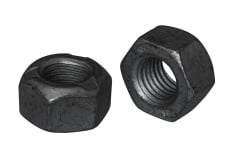
DIN 980 8 Nut self-locking
Fastening groupHigh-strength..StandardDIN 980MaterialStalStrength class8CoatingUncoveredDiameter, mm6, 8, 10, 12, 14..Height, mm6, 8, 10, 12, 14..Packaging, pcs.500, 1000, 250..Type of carvingFullThread typeMetricThreading step, mm1, 1.25, 1.5, 1.75..Turnkey size, mm10, 13, 17, 19..TypeHexagonAnalogISO 7042Popular nameLock nutOEM numbers233587 Claas, 214371..
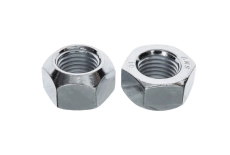
DIN 980 8 zinc Nut self-locking with small step
Fastening groupHigh-strength..StandardDIN 980MaterialStalStrength class8CoatingZincDiameter, mm8, 10, 12, 14, 16..Height, mm8, 10, 12, 14, 16..Packaging, pcs.500, 250, 100, 25..Type of carvingFullThread typeMetric..Threading step, mm1, 1.25, 1.5, 2Turnkey size, mm13, 17, 19, 22..TypeHexagonAnalogISO 7042Popular nameLock nutOEM numbers211230 Claas, 239004..
- 1
- 2