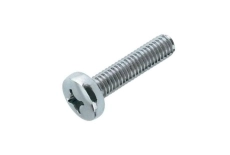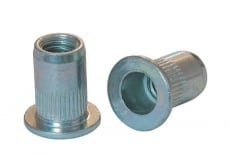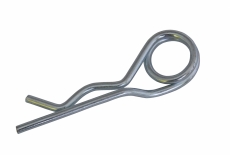


Given the conditions under which military equipment operates in Ukraine today, the reliability of every fastener is of particular importance. Military vehicles, transport, communications equipment and repair units are often deployed in field conditions, where metal parts are exposed daily to moisture, dust, dirt, temperature fluctuations and significant mechanical stresses.
In such conditions, bolts, nuts, washers, studs, screws and other metal components are pushed to their limits. Corrosion gradually weakens the metal, whilst constant vibrations, impacts and loads can lead to damage to joints and equipment failure. Therefore, standard surface protection is often insufficient – a coating capable of withstanding real-world operating conditions is required.
A correctly selected anti-corrosion coating for metal helps to extend the service life of fasteners, maintain their strength and reduce the risk of premature failure. This is particularly important for machinery and structures on whose reliability continuous operation in field conditions depends.
Required properties of an anti-corrosion coating for extreme conditions
When fasteners are used in aggressive environments, the main task of the coating is to create a reliable protective barrier between the metal and external factors.
In field conditions, fasteners may be exposed to rain, snow, dirt, salts, corrosive environments and constant mechanical loads. Protection against rust alone is not enough: the coating must also withstand constant loads, friction and temperature fluctuations.
Resistance to moisture and atmospheric influences
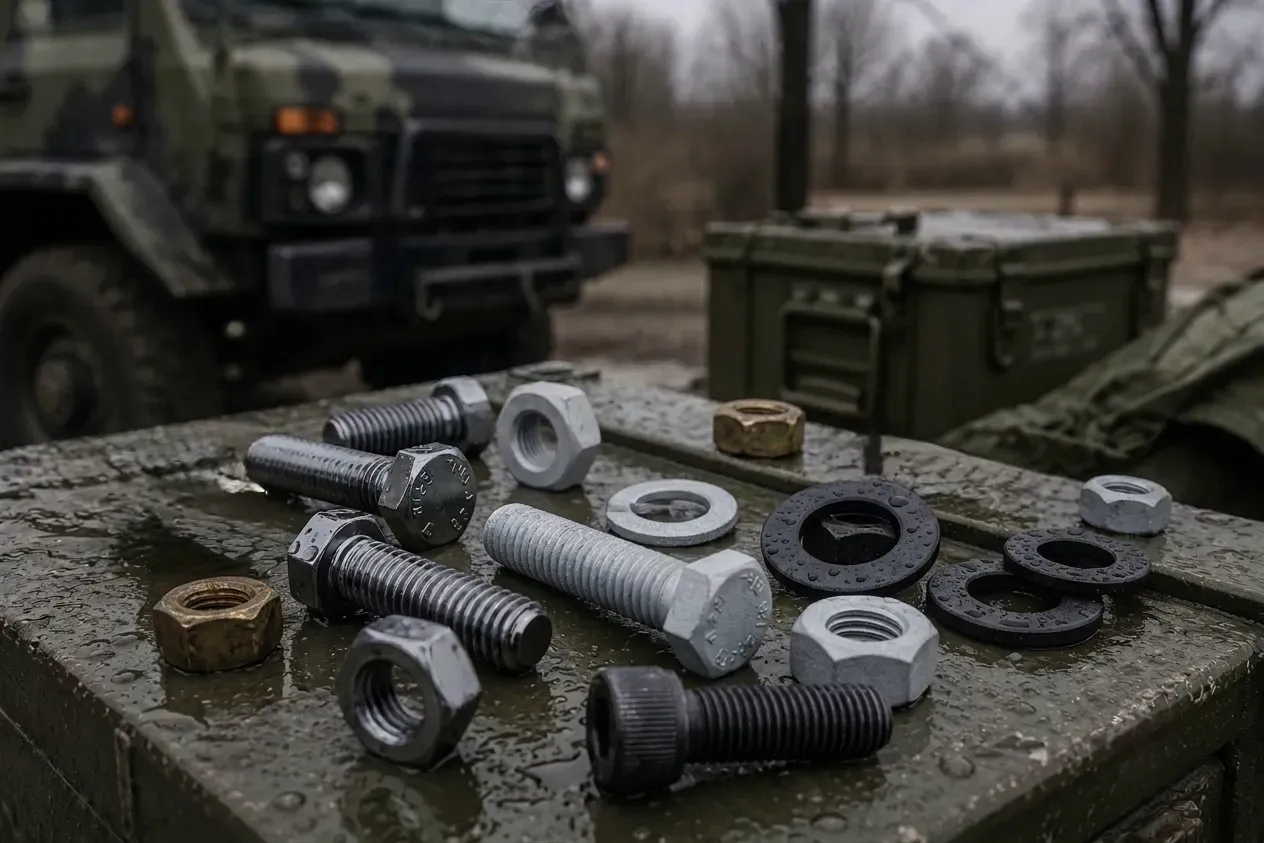 |
Moisture is one of the main factors that triggers corrosion processes. Moisture accumulates in threaded connections, joints and points of contact between components, creating conditions for corrosion to develop if protection against atmospheric influences is not sufficiently reliable. For fasteners used in outdoor applications, it is important that the coating:
This is particularly critical for military equipment, where access for maintenance may be limited, and replacing parts in the field is often difficult or impossible. |
Mechanical resistance of the coating
Fasteners operate under significant loads. During assembly, disassembly or the operation of mechanisms, the surface may be subjected to friction, impacts and deformation.
The protective layer must therefore have high mechanical resistance. If the coating is easily damaged, corrosion will quickly set in on exposed areas of metal.
For fasteners used in equipment, it is important that the coating withstands:
- repeated tightening;
- contact with tools;
- vibration loads;
- operational stresses.
Protection against corrosion
The main function of a coating is to create a barrier that prevents the aggressive environment from coming into contact with the steel.
A high-quality coating helps to prevent:
- the formation of rust;
- weakening of the joint;
- deformation of components;
- a reduction in the structural strength of the assembly.
For fasteners used in military equipment, this plays a key role, as even a slight loss of fastener properties can affect the safety and operational reliability of the assembly.
Compatibility with the fastener’s operating conditions
The choice of coating depends not only on the material of the component, but also on where it will be used.
There is no single universal coating suitable for all situations – the choice depends on the specific operating environment of the fastener; one coating may be effective for standard use, whilst another is better suited to equipment that is constantly exposed to the elements.
Types of anti-corrosion coatings suitable for extreme conditions
Several types of protective coatings are used to protect steel bolts, nuts, washers, studs and other fasteners. The choice depends on the operating conditions, loads, method of installation and the environment in which the component will operate.
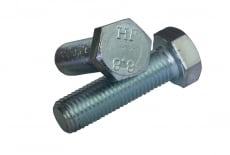
Electrogalvanised zinc coating (Zn)
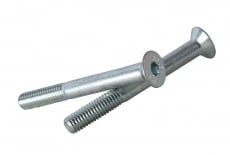
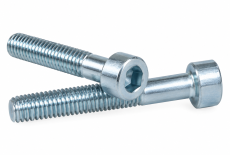
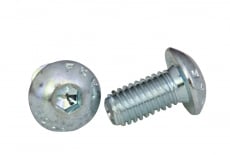
Electrogalvanised zinc coating is one of the most common methods of protecting steel fasteners from corrosion. It is applied using an electrochemical process and creates a thin layer of zinc on the metal’s surface.
The zinc acts as a protective layer that absorbs the effects of the external environment and reduces the risk of corrosion.
This coating is used for:
- bolts;
- nuts;
- washers;
- studs;
- general-purpose fasteners.
Electrogalvanised zinc coatings can include various surface finishes – white, yellow and other types of galvanising with additional passivation layers.
Yellow zinc is often perceived as a more durable option due to the characteristic colour of the surface; however, the colour itself does not determine the coating’s corrosion resistance. The key factors are the thickness of the layer, the quality of the application and the operating conditions.
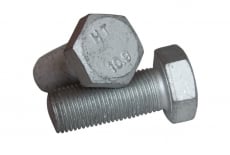
Hot-dip galvanised coating (ZnOgn)
Hot-dip galvanising is achieved by immersing a metal component in molten zinc. The main difference with this method is the greater coating thickness compared to many types of electrogalvanising.
It is used for components operating in more demanding conditions:
- exposed metal structures;
- transport equipment;
- industrial facilities;
- equipment operated outdoors.
A thicker zinc coating provides longer-lasting protection against moisture and atmospheric factors; however, the choice of this coating depends on the part’s design and the requirements for the joint.
Zinc-nickel coating (ZnNi)
Zinc-nickel plating is used for fasteners operating in demanding conditions. The addition of nickel alters the properties of the coating and increases its resistance to external influences.
This coating is used in:
- the automotive industry;
- mechanical engineering;
- specialised machinery;
- components with heightened protection requirements.
Zinc plate (ZnPl)
Zinc plate coatings are used where a thin, uniform protective layer is required without significantly altering the dimensions of the component.
Key advantages:
- uniform application;
- thin coating;
- preservation of precise thread dimensions;
- enhanced corrosion protection.
Such coatings are often used for critical fasteners.
Additional methods of protecting fasteners against corrosion
In the field, it is not always possible to obtain fasteners with exactly the required factory coating. Sometimes components enter service with a basic or less durable protective coating. In such cases, corrosion resistance can be improved through additional treatment.
Paint and varnish coatings
Painting metal parts can serve as an additional barrier between the steel and the external environment.
This method does not replace an industrial coating, but can be a practical solution for parts that need to be quickly protected from moisture, dirt and atmospheric exposure.
Polymer coatings and powder coating
Polymer coatings create a protective layer on the metal surface and can be used for parts requiring additional protection and a decorative finish.
One specific option is powder coating, which is often used for metal products, housings and certain types of fasteners.
Polymer coatings are also used for some specialised products, such as the nylon coating on the heads of roofing self-tapping screws.
Phosphating
Phosphating is a metal surface treatment during which a thin phosphate layer is formed.
It is used not only as a standalone form of corrosion protection, but also to improve adhesion to subsequent coatings – paints, greases or polymer layers.
Temporary protection with greases and oils
Thick greases or oils can be used to provide short-term protection for fasteners against moisture.
This method is not intended for long-term use in harsh conditions, but can help reduce the risk of corrosion during storage, transport or temporary use of components.
How to choose a coating for a specific application
The selection of an anti-corrosion coating should begin with an analysis of the operating conditions.
For fasteners used indoors or in standard environments, basic solutions are often sufficient.
However, if components are operating in field conditions, the following must be taken into account:
- humidity levels;
- contact with water and chemicals;
- temperature;
- load;
- maintenance frequency;
- the possibility of replacing components.
For military applications, the reliability of fasteners is of particular importance in situations where equipment operates far from service areas.
Metal components must remain functional after exposure to dust, precipitation, vibrations and significant loads.
Therefore, a correctly selected coating helps equipment remain operational for longer, even under conditions of constant exposure to dust, moisture and loads.
The table below sets out recommendations for selecting an anti-corrosion coating for fasteners during salt spray chamber testing
| № |
Name |
Coating thickness, µm |
Time to the appearance of red corrosion during salt spray chamber testing, hours |
| 1 |
Electrogalvanised zinc coating, Zn (in accordance with DSTU EN ISO 4042:2022) |
5 | 42 ÷ 96* |
| 8 | 48 ÷ 144* | ||
| 12 | 72 ÷ 168* | ||
| 2 |
Hot-dip galvanised coating, ZnOgn (in accordance with DSTU EN ISO 10684:2022) |
40÷ 60 | 400 ÷ 640 |
| 3 |
Zinc plate coating, ZnPl (in accordance with DSTU EN ISO 10683:2022) |
4** | ≥240 |
| 5** | ≥480 | ||
| 6** | ≥600 | ||
| 8** | ≥720 | ||
| 10** | ≥960 |
*Depends on test conditions.
**Approximate values based on coating thickness.
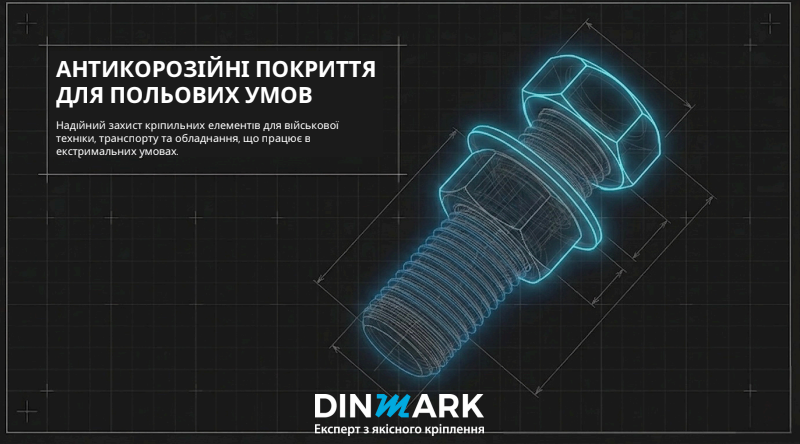
Presentation containing technical information on anti-corrosion coatings for fasteners used in field conditions:
Questions and Answers
What type of coating should be chosen for equipment operating outdoors?
For equipment operating outdoors, it is advisable to choose a coating with enhanced resistance to moisture and mechanical stress.
Depending on the conditions, zinc coatings, hot-dip galvanising, zinc flake or black zinc-nickel may be used.
How does anti-corrosion protection for metal products used outdoors differ?
The main difference lies in the coating’s ability to withstand constant exposure to the external environment.
When used outdoors, metal products are exposed to moisture, temperature fluctuations and atmospheric conditions, and therefore require a more durable protective layer.
What determines the durability of the coating?
The durability of the coating depends on the type of protection, the thickness of the layer, the quality of the application and the operating conditions. At the same time, the choice of the fastener itself is no less important – it must be suitable for the loads and the environment in which it will be used.
Do fasteners need to be pre-treated before applying an anti-corrosion coating?
Yes, surface preparation is a crucial stage. The metal must be cleaned of contaminants, oxides and residues of previous coatings.
Proper preparation ensures better adhesion of the coating to the surface and enhances its performance characteristics.
A correctly selected coating is not merely an outer layer on the metal. It is a key element in the reliability of the entire structure, upon which the stable operation of machinery, equipment and critical components depends.